
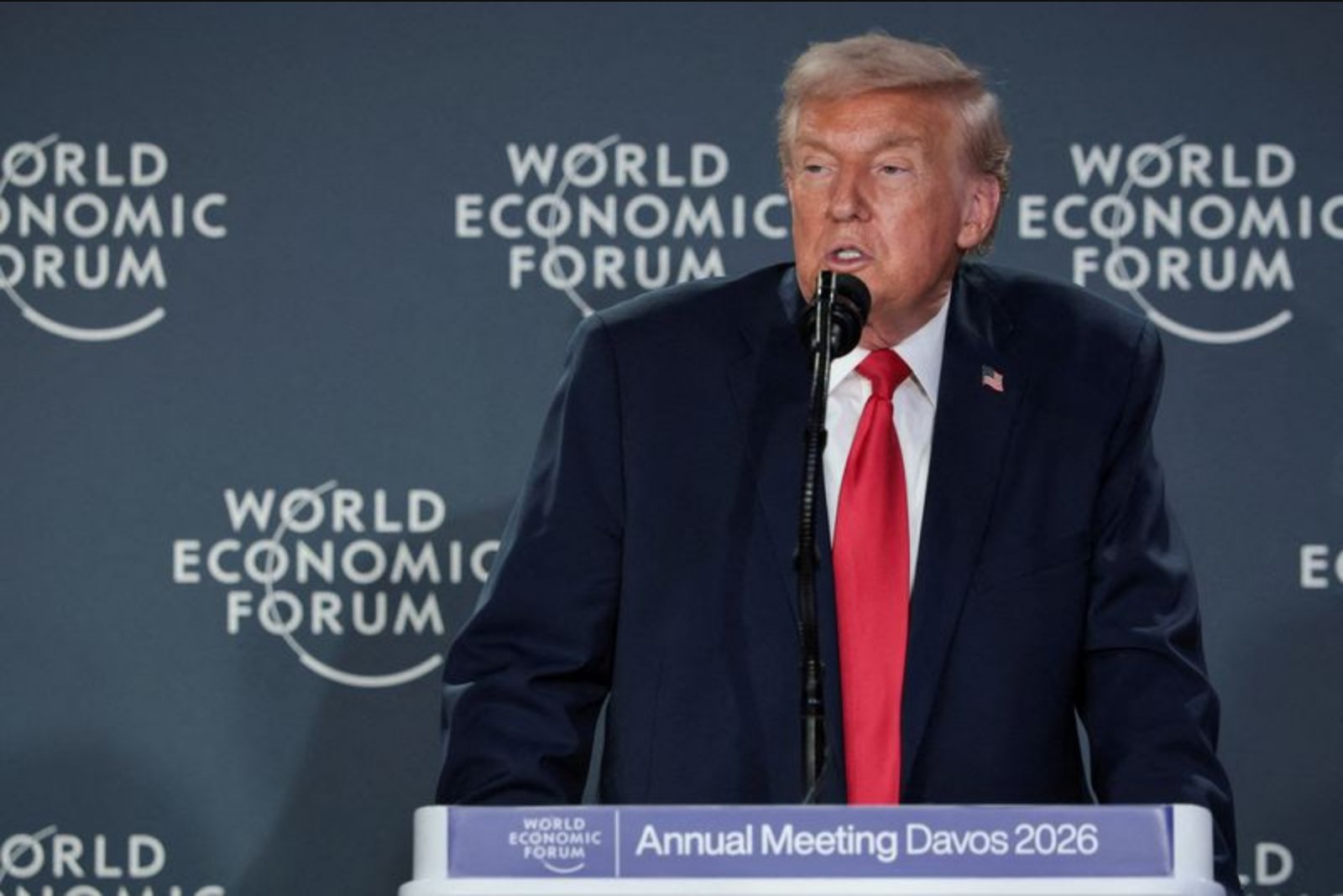
President Donald Trump will travel to Iowa on Tuesday in a bid to reinforce political backing among rural voters as mounting stresses in farming and postponed biofuel policy decisions test the patience of agricultural communities and renewable-fuel manufacturers.
The visit targets the nation’s leading producer of corn, hogs and ethanol at a moment when weak crop prices, high input costs and policy uncertainty are contributing to growing unease across the U.S. farm belt. Administrations officials say the president plans to stress his support for agriculture and renewable fuels and frame his broader economic agenda as an effort to reduce costs for food, fuel and household goods.
Many individual producers described the pressures in stark terms. Lance Lillibridge, a 56-year-old corn and cattle farmer, said he will drive two hours from his farm in Vinton to attend the president’s event near Des Moines. Lillibridge said he and other growers have been hurt by the trade war with China and by rising prices for seeds and fertilizer. He said he hopes the administration will provide another multibillion-dollar farm aid package.
"There’s going to have to be something because right now everything’s just terrible. I’ve never been so cash poor in my entire life," Lillibridge said, while describing himself as a Trump supporter "for the most part."
The Iowa visit comes as the White House contends with unrest in neighboring Minnesota after federal immigration agents shot and killed 37-year-old U.S. citizen Alex Pretti during a protest in Minneapolis. That event has provoked demonstrations and demands for independent investigations.
Analysts and industry voices say the administration’s mix of policies has produced both headwinds and support for farm interests. Scott Irwin, an agricultural economist at the University of Illinois, said that while trade measures implemented by the president have hurt crop farmers, regulatory rollbacks and relatively lower fuel prices have helped preserve support among some rural constituencies. "I think as long as Trump and a Republican Congress are willing to backfill a significant amount of crop losses with special programs, his support will remain solid," Irwin said.
Public opinion appears mixed on the administration’s handling of household costs. A Reuters/Ipsos poll that closed on Sunday showed 30% of Americans approved of Trump’s handling of the rising cost of living, while 59% disapproved. The poll found that nine in 10 Democrats and one in five Republicans disapproved.
Signs of strain in the farm economy have become more visible across the supply chain. Observers note unsold tractors on dealer lots and agribusiness companies reporting shrinking earnings. Large grain stocks are weighing on commodity markets even as production expenses remain elevated, leaving crop prices subdued for a third consecutive year.
Delays in biofuel policy have intensified pressure on ethanol and biodiesel producers. The administration has postponed finalizing biofuel-blending quotas for 2026, known as renewable volume obligations or RVOs. Officials have also not finalized tax guidance for renewable-fuel credits referred to as 45Z. Additionally, efforts to secure congressional approval for year-round sales of gasoline blended with 15% ethanol - a long-standing priority for corn growers - have stalled.
Mark Mueller, president of the Iowa Corn Growers Association, warned that absent nationwide, year-round E15 sales, many growers could remain dependent on federal payments. "Without nationwide, year-round E15, many of us are now going to continue relying on government payments to stay afloat," Mueller said in a statement.
The delays have hit Iowa’s biodiesel sector particularly hard. The Iowa Renewable Fuels Association reported that state biodiesel plants produced 244 million gallons in 2025, a 31% decline from 2024. The association noted that at full capacity, Iowa’s plants can produce more than 400 million gallons annually.
Monte Shaw, executive director of the Iowa Renewable Fuels Association, described 2025 as a severe setback for biodiesel operations. "2025 was a real gut punch for biodiesel everywhere, and Iowa was no exception," Shaw said. He blamed a lack of clear tax policy together with low biofuel quotas for sending producers into a financial tailspin, saying plants were struggling and awaiting clarity from Washington.
As the president seeks to shore up support during the Iowa stop, the agricultural sector remains watchful for concrete policy moves on aid, biofuel quotas, tax guidance for renewable-fuel credits and congressional action on year-round E15 sales. Farmers, biodiesel producers and related agribusiness firms will be closely tracking the administration's next steps and any potential supplemental assistance.