
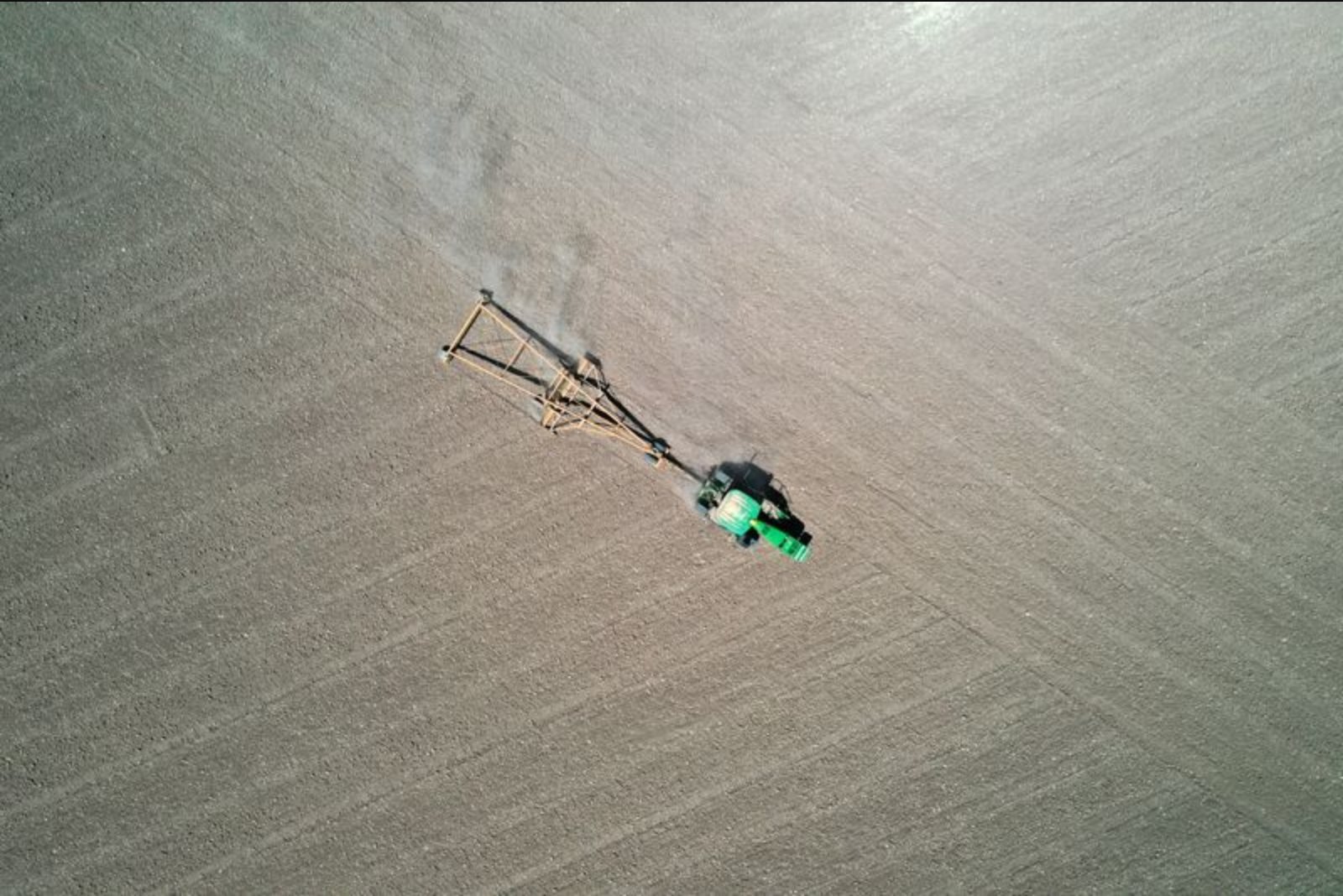
The chair of the U.S. Senate Agriculture Committee said this week that many crop producers are suffering significant financial losses, while more than two dozen former government and industry leaders warned lawmakers of the risk of a "widespread collapse of American agriculture." Their statements came as a $12 billion federal aid program is set to begin reaching growers this month.
Industry economists and bankers say the sector's troubles have roots in a multi-year squeeze. For three years, farmers faced rising costs for seed, fertilizer and other inputs while abundant grain supplies curtailed returns. The situation worsened after the presidential transition last year, when trade disputes disrupted U.S. crop exports and immigration enforcement tightened, increasing farm labor costs and leaving some crops to rot in the fields, according to the officials and analysts cited.
As a result, many growers are preparing for the prospect of losing money for a fourth straight year. Tougher credit conditions are adding pressure: producers with constrained cash flows are being forced to make hard choices about how many acres to plant and how much fertilizer to purchase.
By the numbers
- A group of former USDA and industry officials told U.S. lawmakers in a letter that policies under the current administration harmed farmers.
- The Trump administration announced a $12 billion aid program last year; agricultural economists and bankers say it will only cover a fraction of total farmer losses.
- The USDA provided a statement that the president is using every available tool to support farmers and ensure they have what they need to continue operations.
- Senator John Boozman, a Republican from Arkansas who chairs the Senate Agriculture Committee, said in a webcast of a conference of state agriculture officials in Washington that farmers growing crops are "losing money, lots of money."
- Bankers reported nearly a 40% increase in new farm operating loans in the fourth quarter of 2025 compared with the year before, according to a Federal Reserve survey.
- The average size of those operating notes was about 30% larger during 2025 than a year earlier, an analysis of the Federal Reserve data by staff at the Federal Reserve Bank of Kansas City found.
- Producer sentiment has deteriorated sharply: the share of farmers expecting bad financial times over the next year rose to 59% in January from 47% in December, based on a survey released by Purdue University and CME Group.
- In the same survey, the share of producers who expected U.S. agriculture to face widespread bad times over the next five years climbed to 46% from 24% a month earlier.
Observers said the combination of higher input costs, constrained export markets and increased labor expenses has tightened margins for many operations. The uptick in both the number and average size of new operating loans reported by bankers underscores growing reliance on credit to fund planting and other seasonal needs.
While the $12 billion aid package will provide payments to growers, agricultural economists and bank officials caution it will not fully offset the accumulated losses that many producers face. The letter from former USDA and industry leaders, delivered to lawmakers, framed current administration policies as having harmed farmers, reinforcing calls for continued policy attention to the sector's financial stability.
State agriculture officials, federal lawmakers and farm lenders will be watching closely as payments move out this month, and as surveys of producer sentiment continue to track expectations for the coming year and beyond.