
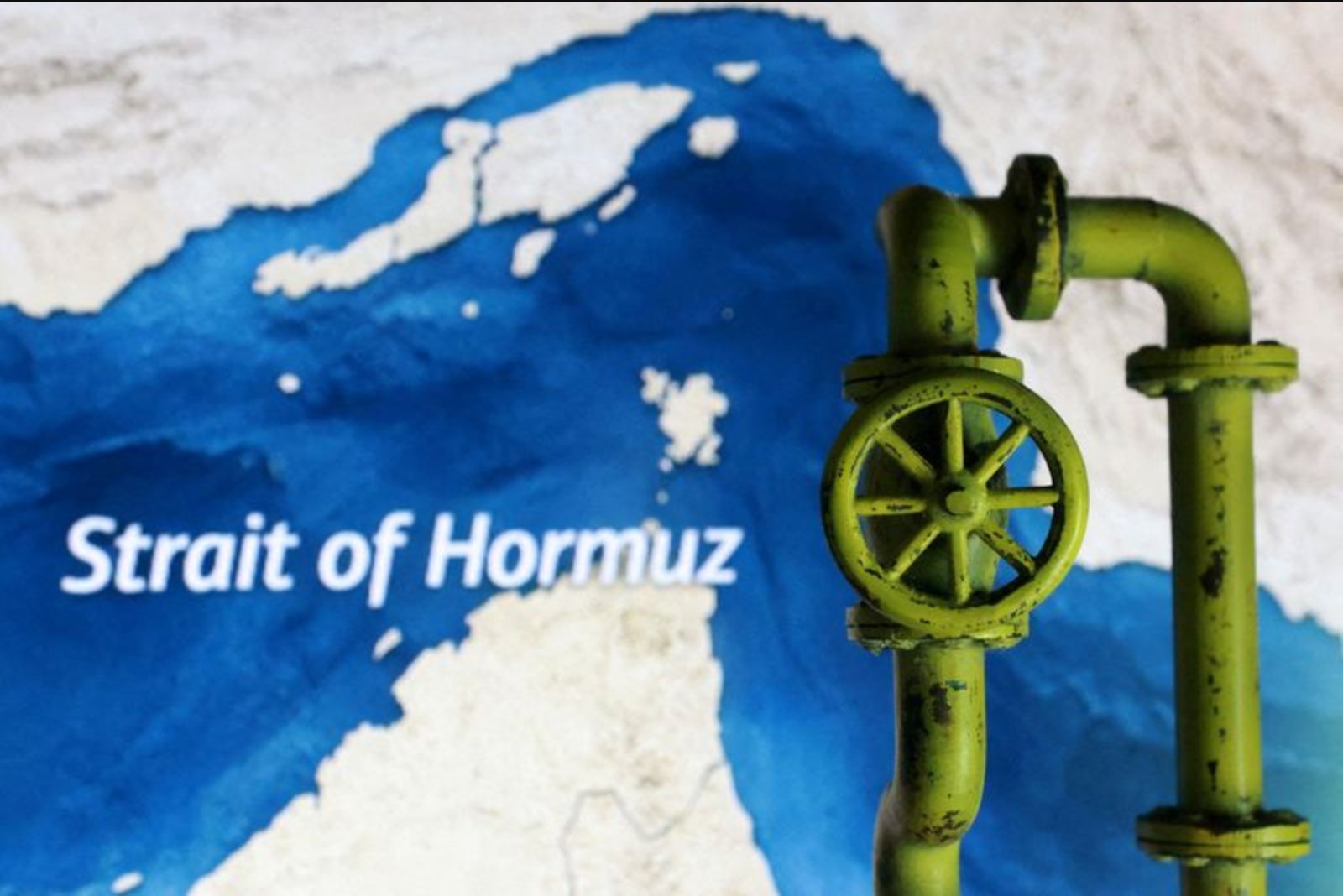
The announcement of a two-week ceasefire between the United States and Iran has prompted shipping companies and oil buyers to probe how and when tankers can safely resume passage through the Strait of Hormuz, but critical operational questions remain unanswered.
Hours after President Donald Trump declared the ceasefire and said the U.S. would help alleviate the traffic congestion, most of the oil and gas tankers that had been unable to transit were still sitting inside the Gulf, according to LSEG shipping records. Ship-tracking service Kpler reported that as of Tuesday some 187 laden tankers, carrying 172 million barrels of crude oil and refined products, were afloat inside the strait.
The scale of the congestion is large: with more than 1,000 ocean-going vessels trapped in the Gulf, the task of clearing the backlog is substantial. Daejin Lee, global head of research at Fertmax FZCO, said the time needed to unwind the buildup of vessels would likely exceed the 14-day window of the ceasefire, even if operations returned to normal immediately.
"A 14-day window is simply too short to restore the level of confidence needed to fully unwind the embedded uncertainty premium - particularly for Arabian Gulf loading routes," Lee said, noting that many operational details remain unsettled, including the procedures ships and charterers must follow to secure passage.
Industry figures say that uncertainty over the ceasefire's durability will also shape decisions. "Many blue-chip shipowners may wait several days to ensure the ceasefire holds before committing vessels," Lee added.
Shipping association Bimco is pressing for technical guidance from both governments. Jakob Larsen, Bimco's chief safety and security officer, said the industry needs coordinated direction before vessels leave the Gulf. "Leaving the ... Gulf without prior coordination with the U.S. and Iran would entail heightened risk and would not be advisable," he said.
The blockade of the strait was imposed by Iran in response to U.S. and Israeli attacks that began on February 28. That action all but closed the waterway through which about 20% of global oil and liquefied natural gas cargoes normally transit, triggering a spike in energy prices and producing widespread market and economic anxiety. The ceasefire was announced roughly 90 minutes before the deadline set by President Trump to reopen the strait and was followed by a sharp drop in oil prices.
Despite the ceasefire, several shipbrokers and industry participants said owners were likely to maintain a cautious stance before allowing vessels to head into the Gulf. On Wednesday, enquiries for very large crude carriers (VLCCs) to load Middle East crude for Asia rose as Asian refiners and traders looked for tonnage.
Shipping sources said Asian refiners including Reliance Industries, Indian Oil Corp, Nghi Son Refinery and Petrochemical and CNOOC, together with Abu Dhabi National Oil Co, Glencore and TotalEnergies, were among those seeking vessels. Glencore and TotalEnergies declined to comment, while the other companies did not immediately respond to requests for comment.
Danish shipping group Maersk said the ceasefire could create opportunities for ships to transit the Strait of Hormuz but cautioned that the move did not yet deliver full maritime certainty.
Indonesia's foreign ministry reported it is coordinating with Iranian authorities to secure the passage of two Pertamina vessels stranded in the gulf. Ministry spokesperson Vahd Nabyl Achmad Mulachela identified a set of technical issues being followed up to enable safe transit, "including matters such as insurance and crew readiness."
China's foreign ministry expressed hopes that all parties would work together to restore normal trade through the strait as soon as possible. Japanese Prime Minister Sanae Takaichi held talks with Iran's president, according to reporting on diplomatic engagement.
Asian economies, as primary buyers of oil shipped through the strait, have been particularly affected by the disruption. Market participants are watching which tankers will be prioritized for transit once coordination is in place.
Anoop Singh, global head of shipping research at Oil Brokerage, said he expects tankers and cargoes destined for Iranian-friendly countries to be among the first allowed to transit. "Most of the crude tankers will be allowed to pass," he said, forecasting that more than 50 Very Large Crude Carriers and about 15 Suezmaxes could exit the Gulf if movements resume.
For now, the industry remains in a wait-and-see mode. The ceasefire offers a potential pathway to reopen a critical artery for global energy shipments, but the practicalities of insurance, crew readiness, and formal coordination between the United States and Iran will determine how quickly and safely the traffic can be restored.