
WASHINGTON, Jan 28 - The lead Democrat on the Senate environment committee declared on Wednesday that his colleagues will withhold support for bipartisan changes to the permitting process unless they receive firm commitments that federal agencies will cease actions that impede renewable energy projects.
At a Senate hearing examining the federal environmental review and permitting system, Rhode Island Democratic Senator Sheldon Whitehouse said that Democrats cannot move forward with reform efforts while the executive branch continues to obstruct wind and solar developments. He pointed to the administration's use of its second term to block the progress of renewable projects that were central elements of the prior administration's climate and energy strategies.
"We can add jobs and electrons, reduce emissions and waste, but it makes no sense to pass a bipartisan permitting reform that will be illegally butchered by a lawless executive branch, vindictively, irrationally and dishonestly," Whitehouse told colleagues during the hearing.
Whitehouse's remarks came as lawmakers debated a House-passed bill from December intended to streamline environmental reviews and accelerate permitting for major energy infrastructure projects, data centers and factories. That legislation now awaits Senate action.
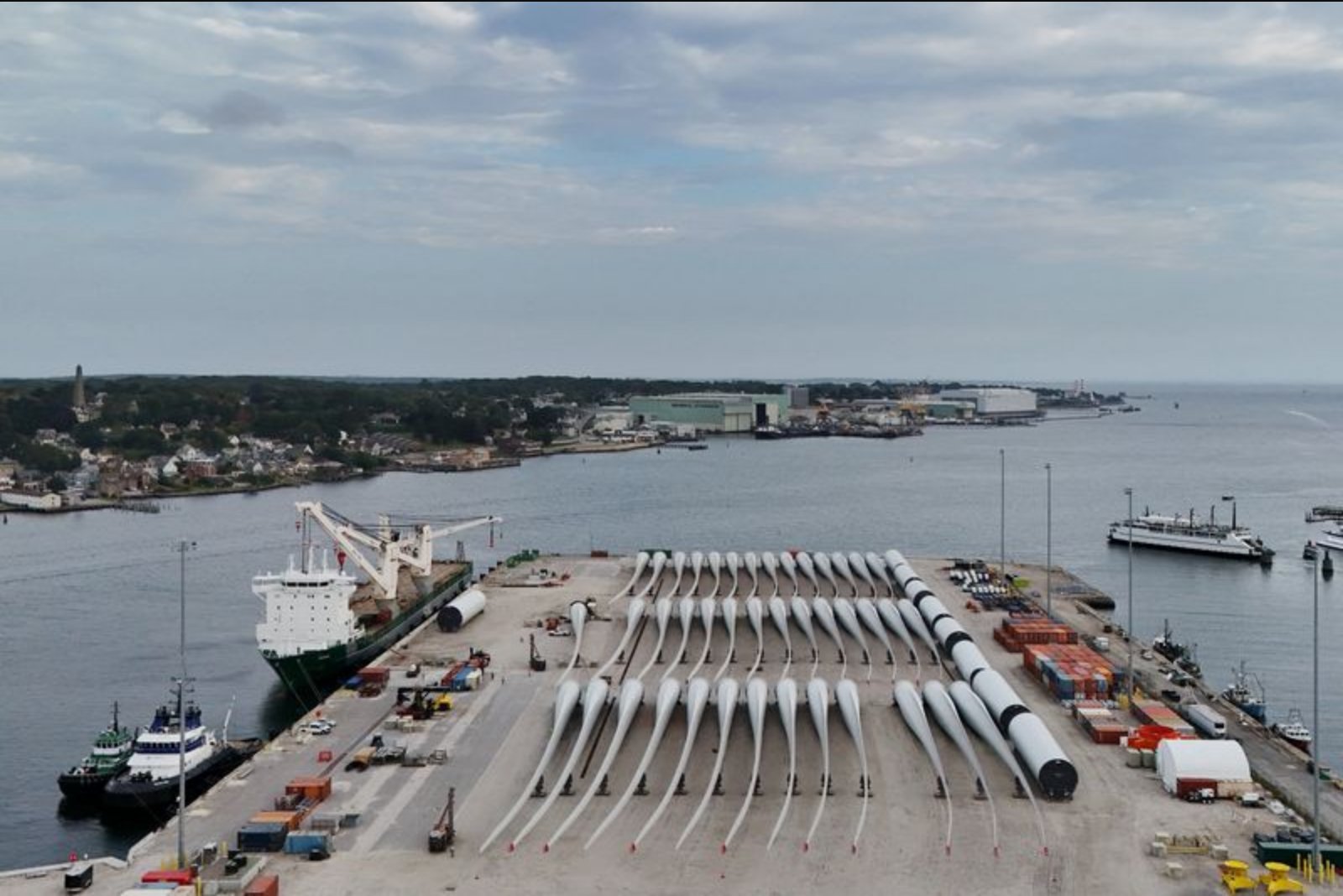
However, the bill contains an amendment that would preserve the president's authority to block permitted offshore wind farms, a provision that has drawn opposition from some Democratic senators. Whitehouse and other Democrats say that preserving such powers undercuts the purpose of a bipartisan permitting overhaul and would leave renewable projects vulnerable to executive interference after they receive permits.
The administration has defended its stance on renewables, arguing that such sources can be costly and less reliable than fossil fuels. Officials have also raised national security concerns, asserting that offshore wind installations could interfere with radar systems.
Whitehouse emphasized that the onus is now on the executive branch to provide credible assurance that those kinds of interventions will cease. "The responsibility for resuscitating permitting reform rests now upon the executive branch, upon credible confidence that the nonsense will stop," he said.
With Senate consideration pending, the dispute highlights a fundamental tension: bipartisan legislative interest in speeding approvals for energy and industrial capacity on one hand, and partisan concerns that the executive branch could selectively use its authority to favor or impede particular energy sources on the other.
Key points
- Senate Democrats led by Senator Sheldon Whitehouse say they will not back bipartisan permitting reform unless federal agencies stop blocking renewable projects.
- The House passed a December bill to streamline environmental reviews and speed permitting for large energy projects, data centers and factories; the measure now requires Senate approval.
- An amendment preserving presidential authority to block permitted offshore wind farms is a focal point of Democratic opposition.
Risks and uncertainties
- Regulatory risk for renewable energy developers if the executive branch continues to intervene after permits are issued - impact on the renewables sector and project financing.
- Legislative uncertainty in the Senate over a bipartisan permitting bill that could stall energy and infrastructure permitting timelines - impact on construction, manufacturing and data center planning.
- Security and reliability debates led by the administration could justify continued restrictions on offshore wind, creating further uncertainty for the offshore wind industry.