
The PJM Interconnection, North America's largest power grid, is on track to register an unprecedented high in electricity demand during the upcoming winter period. According to the grid operator's forecast released on a recent Thursday morning, demand is expected to hit 144,465 megawatts on January 27, a figure that would eclipse the previous winter peak of 143,700 megawatts recorded in January 2025.
Encompassing 67 million residents across 13 states plus Washington, D.C., PJM faces mounting strains from increasing electricity consumption. A notable factor contributing to this demand spike is the rapid growth of extensive data centers utilized by major technology firms, which require significant power inputs to support the burgeoning artificial intelligence sector.
While PJM has not issued immediate comment regarding this forecast, in November the operator affirmed that it would possess adequate resources this winter to supply the extensive population under typical expected conditions. This assurance comes despite ongoing challenges as electricity demand continues to rise faster than the pace of new power generation assets being deployed.
Currently, PJM anticipates total operational capacity of approximately 180,800 megawatts, ensuring a reserve margin sufficient to cover the expected peak consumption.
The surge in anticipated load coincides with a formidable cold front advancing over the eastern United States, with the National Weather Service forecasting sub-zero temperatures extending from the Northern Plains across the Northeast by Sunday and further moving towards the Gulf Coast in the early part of the next week. These frigid conditions are anticipated to significantly elevate heating-related electricity demand across this wide region.
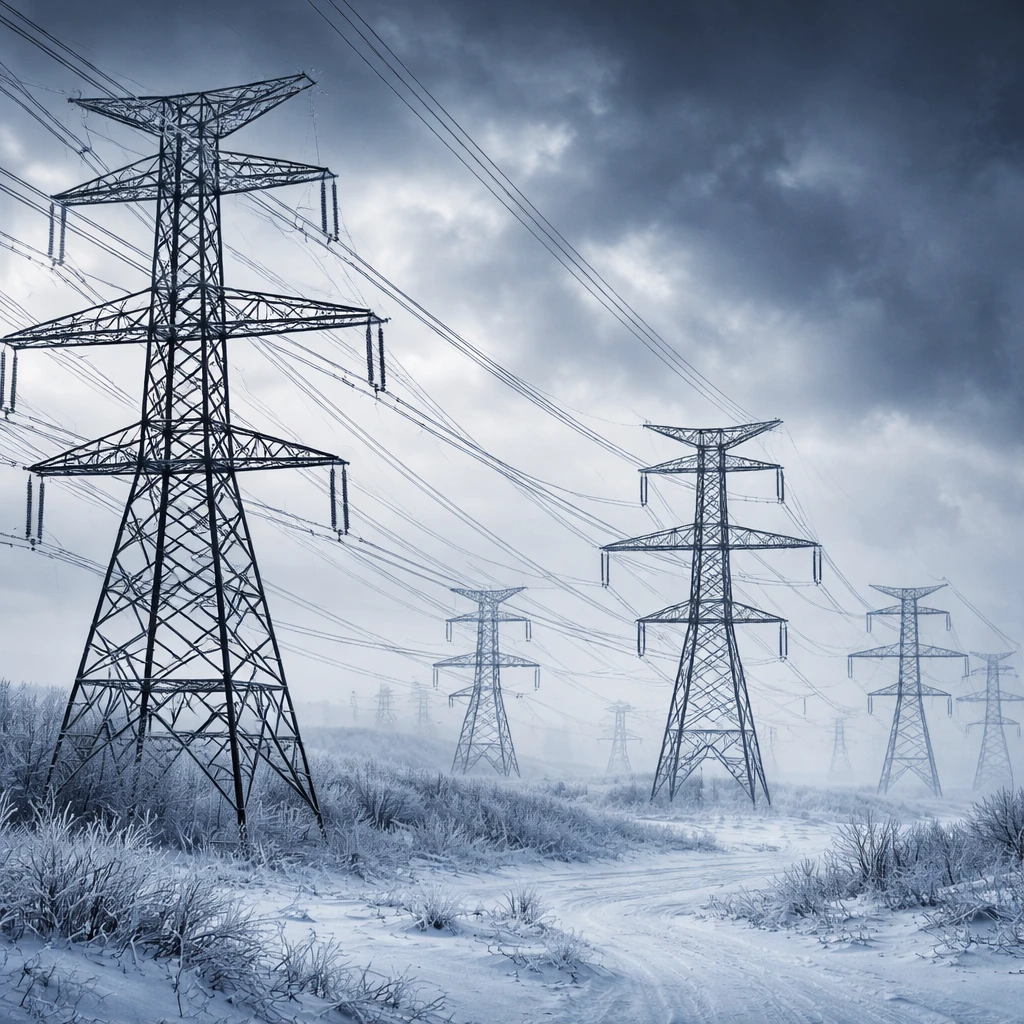
The PJM Interconnection, the largest electricity grid in North America serving 67 million people across 13 states and Washington, D.C., is projected to experience historic winter demand next week. A significant cold front sweeping through the eastern United States is driving this surge, with PJM forecasting peak electricity consumption surpassing its previous winter record from January 2025. Despite challenges posed by rising electricity needs driven partly by data centers catering to AI expansion, PJM expects to maintain sufficient operational capacity to meet demand.
Key Points
- PJM Interconnection expects to set a new all-time winter electricity demand record on January 27, surpassing the previous peak from January 2025.
- The surge in demand is partly driven by the expansion of power-intensive data centers supporting artificial intelligence developments nationwide.
- Despite increasing demand outpacing new power resource additions, PJM remains confident in its capacity to meet consumer needs with sufficient operational reserves.
Risks
- Extreme cold weather increases peak demand, potentially stressing grid resources and raising the risk of capacity shortfalls if unforeseen disruptions occur.
- The rapid growth in electricity consumption, particularly from data centers, may challenge the grid's ability to keep pace with infrastructure expansion, risking reliability concerns.
- Dependence on timely and adequate capacity additions is critical; any delays or shortfalls in new power generation could exacerbate supply constraints during peak winter periods.