
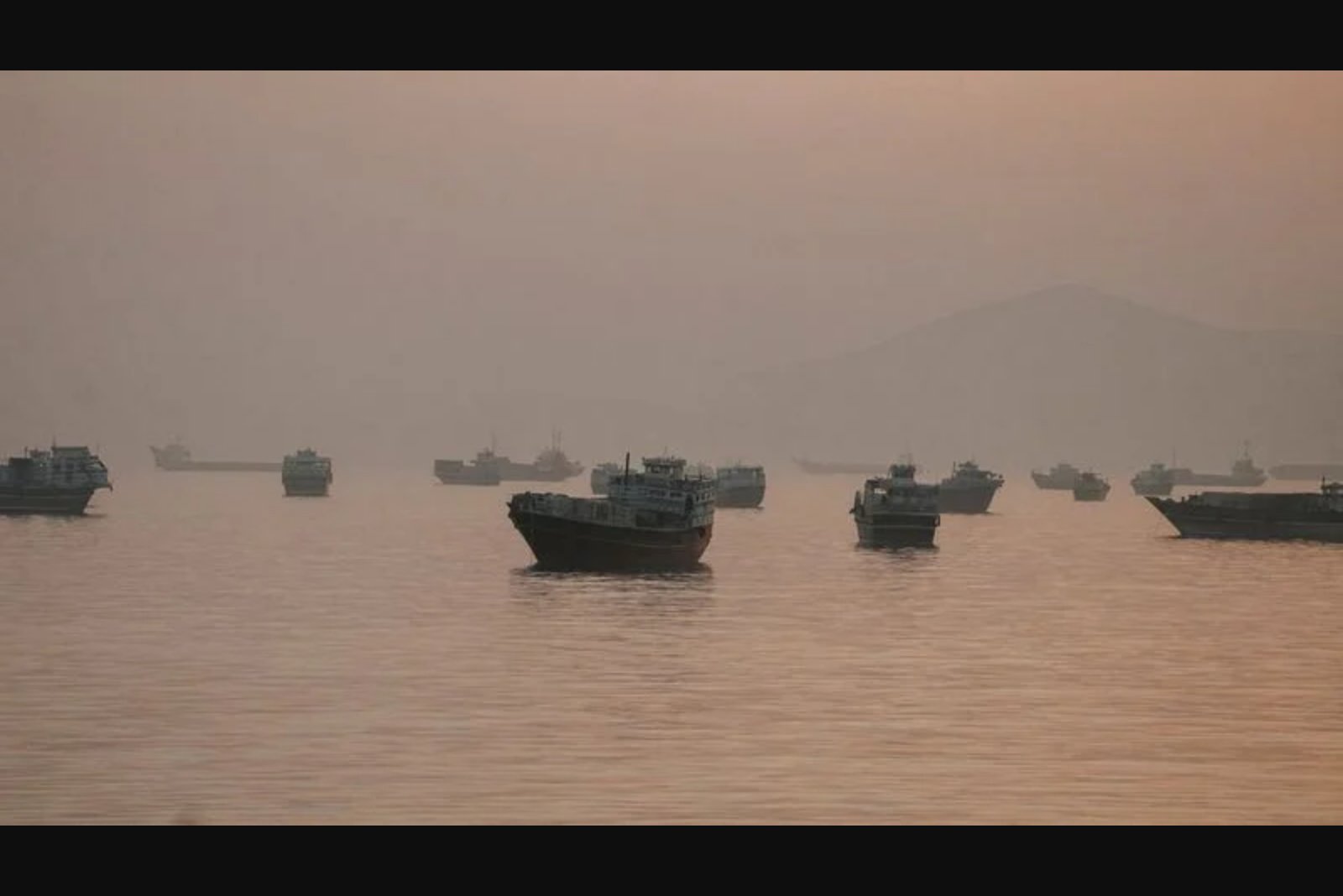
OPEC's 11-member output in May sank to levels not seen in more than 20 years, according to a survey compiling flow data and industry reporting. Production dropped by 1.06 million barrels per day (bpd) month-on-month, reaching 16.13 million bpd for the month.
The data indicate this is the lowest monthly tally since at least 2000 in the underlying surveys. The decline came despite plans by a subset of producers to boost supply, and is markedly lower than volumes recorded during the collapse in demand seen in the COVID-19 period of 2020.
Drivers of the decline
The survey attributes the largest single-country fall to Iran, where exports of crude oil and condensate dropped to their lowest levels in at least six years. That downturn followed the initiation of a U.S. naval blockade on April 13, which curtailed Iran's ability to ship crude. In addition, Iran's effective closure of the Strait of Hormuz has restricted the flow of barrels from other Gulf producers.
Saudi Arabia recorded a further reduction in output in May, while Iraq increased shipments, a shift the survey links to higher domestic consumption. Venezuela and Nigeria both raised production during the month, contributing modestly to overall supply.
Eight members of the OPEC+ grouping - which combines OPEC countries with allied producers - had agreed to raise output in May. However, the impact of the Iran conflict and the U.S. blockade prevented those planned increases from materialising, according to the survey's findings.
Methodology
The survey is based on flow data from financial group LSEG, information from companies that monitor crude movements such as Kpler, and material provided by sources at oil companies, OPEC and energy consultants.
Implications - The drop to 16.13 million bpd for the 11-member grouping, excluding the UAE after its departure from OPEC on May 1, represents a pronounced squeeze on physical crude availability from the group for the month of May. The survey highlights the combined effect of military and maritime constraints on the region's exports and underscores the operational challenges facing producers in the Gulf amid the current tensions.