
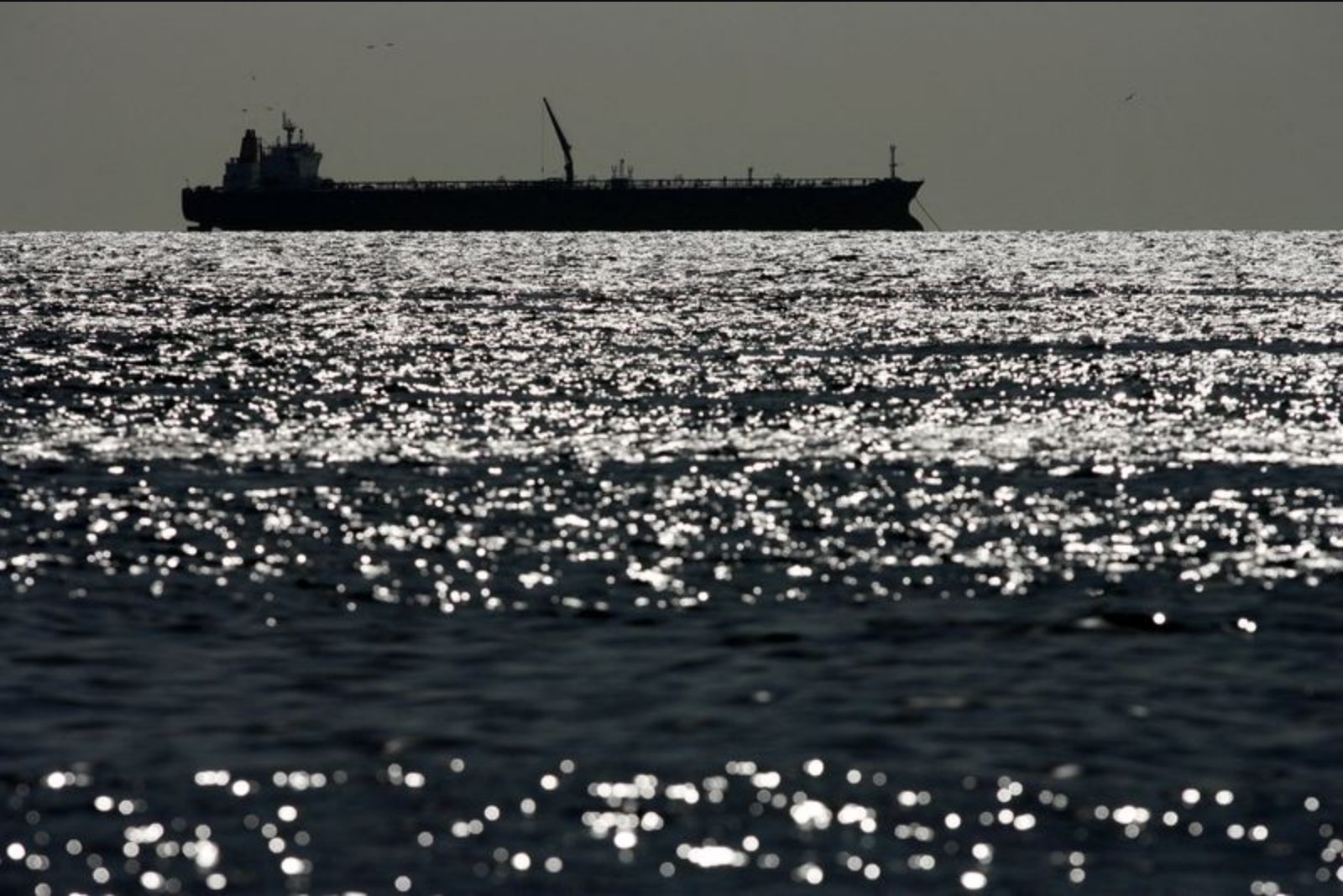
Workers and pensioners tied to Venezuela’s state oil company PDVSA are watching a newly enacted industry overhaul with guarded optimism, hopeful it may restore some of the purchasing power lost to years of economic decline — but many remain uncertain about how much will actually change.
In Maracaibo and surrounding areas of Zulia state, employees and retirees described a mix of yearning and wariness. A PDVSA manager with more than 20 years on the job, who requested anonymity, said many colleagues have remained in place out of loyalty to their work. "Those of us who are still here have stayed out of love for our work. We’ve waited many years to see our oil better paid," the manager said, adding that "Most people are willing to work, though there is still a lot of fear."
Not all voices share that level of expectation. In nearby Ciudad Ojeda, PDVSA retiree Jose Luis Galindo expressed skepticism about the scale of any improvement, saying, "People in general are living an illusion created by U.S. propaganda about the economic boom Venezuela will supposedly see."
The reforms come after what the article describes as the U.S. capture of President Nicolas Maduro last month, and amid a plan by U.S. President Donald Trump for Washington to exert management of the oil-exporting country from a distance. President Trump proposed a $100 billion energy reconstruction plan and has repeatedly said the overhaul will be positive for Venezuela and its people.
Lawmakers passed an energy-industry reform last week that is designed to stimulate production and attract foreign capital by cutting taxes, granting greater autonomy to private producers and permitting the transfer of assets. Interim President Delcy Rodriguez, who has negotiated oil sales with the U.S. since Maduro’s ouster, supports the measure.
Supporters of change argue the measures are intended to raise oil and gas output and draw the foreign investment needed to revitalize an industry that has been under tight state control for roughly two decades, a condition that followed the expropriation of assets from foreign companies, including U.S. majors Exxon Mobil and ConocoPhillips.
For many workers and retirees, the potential return of outside capital is tied directly to household incomes. Some hope new investment will translate into higher production and, eventually, firmer wages and pension payments. Still, the path to such outcomes remains uncertain.
The urban fabric of Ciudad Ojeda reflects the oil sector’s centrality to the region: apartment blocks built in the 1960s and 1970s for oil workers still dominate the landscape. Ender Perea, 71, who spent 38 years at the state oil company, warned against simplistic expectations about foreign companies. "Global oil firms are \"not coming to rescue (PDVSA), they’re coming to invest to open up fields,\"" he said.
Underlying the debate is the country’s broader economic malaise. Analysts cited in reporting estimate that inflation reached 400% last year, and commentators note Venezuela has endured a long-term economic decline. Against that backdrop, the reforms are intended to make the oil sector more open to outside capital — but they do not eliminate the many political and economic uncertainties that could affect the industry and the livelihoods tied to it.
Where this leaves workers and markets
For PDVSA staff and retirees, the reform package offers a mixture of possible benefits and persistent doubts. If foreign investment materializes and production rises, the most direct impacts would be on the oil sector and on household incomes in oil-producing regions. Yet the magnitude and timing of any recovery are unclear, and local sentiment ranges from hopeful to dismissive.