
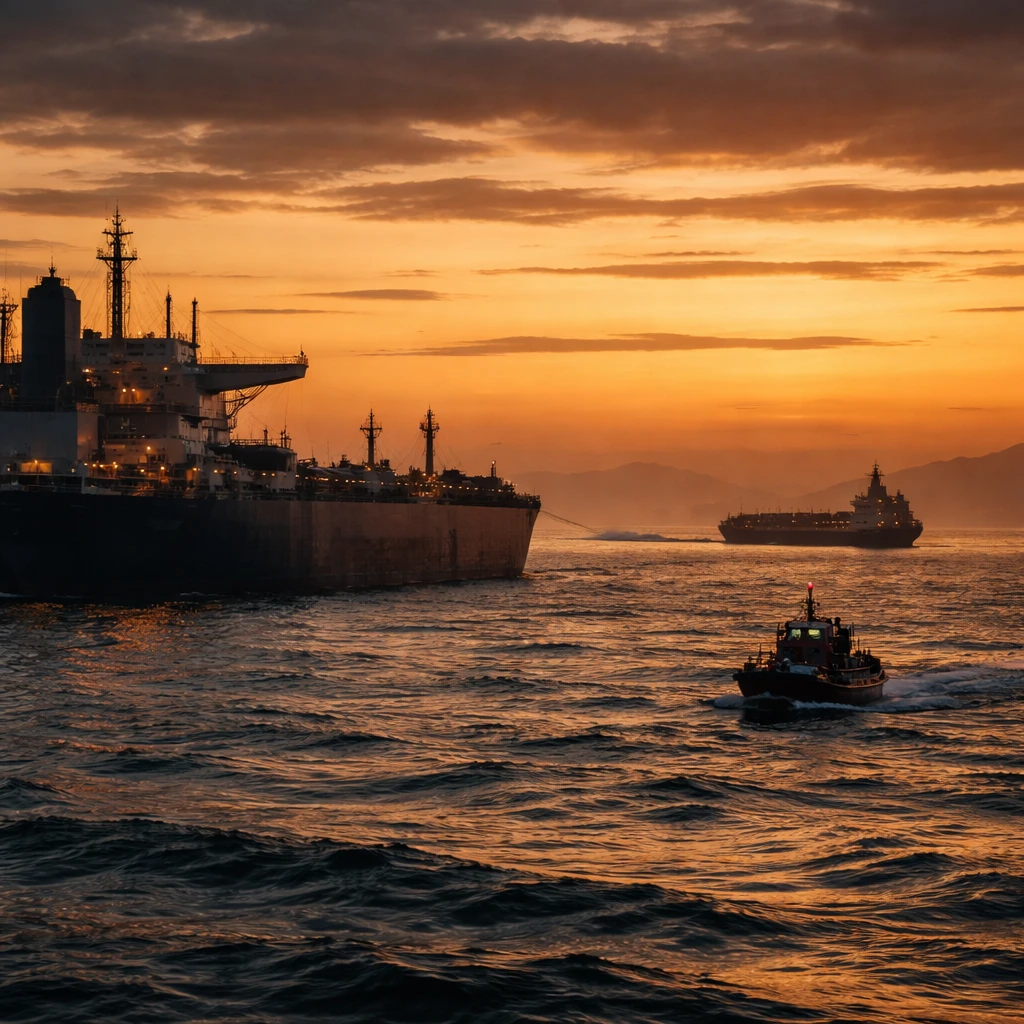
Oil prices pushed higher in Asian trading on Monday, extending the sharp gains seen in the previous session as attention centred on a deadline set by President Donald Trump for Iran to reopen the Strait of Hormuz.
Brent futures for June delivery rose 1.7% to $110.77 per barrel after surging nearly 8% on Thursday. West Texas Intermediate (WTI) crude futures were largely unchanged at $111.95 per barrel, following a rise of more than 11% in the last full trading session before the Good Friday holiday.
On Sunday, President Trump issued a public warning that Iran must reopen the Strait of Hormuz by Tuesday, setting an 8 p.m. Eastern Time deadline for tanker traffic to resume through the strategic waterway. He amplified pressure over the weekend through posts on Truth Social, writing: "Tuesday will be Power Plant Day, and Bridge Day, all wrapped up in one, in Iran. There will be nothing like it!!!" He added that Iran should "Open the Fuckin’ Strait" or face severe consequences.
Iran’s presidential spokesperson, Seyyed Mohammad Mehdi Tabatabaei, responded that transit through the strait could resume only if part of the revenue is allocated to compensate Iran for war-related damages.
The exchange of threats and demands has revived concerns of a wider escalation in the Gulf, where shipping has been heavily constrained for weeks. Those constraints have weighed on the ability of additional crude supplies to reach global markets quickly.
Meanwhile, the Organization of the Petroleum Exporting Countries and its allies (OPEC+) agreed to a plan in which eight member countries will raise output by a combined 206,000 barrels per day for May. Traders, however, viewed that increment as largely theoretical because logistical constraints may prevent much of the extra crude from immediately arriving on the market.
The renewed strength in crude prices has heightened inflation worries across financial markets. Market participants cautioned that higher energy costs would be expected to put further pressure on transport, manufacturing, and consumer sectors globally if the Strait of Hormuz remains blocked.
Bottom line: Oil markets stayed on edge as a geopolitical ultimatum and limited, potentially slow-to-materialise supply increases combined to keep prices elevated and to amplify inflation-related risks for key sectors of the global economy.