
Russia has committed to sustained support for Cuba's energy needs and said it will not abandon the Caribbean island, a senior Russian diplomat said following talks in Havana.
Sergei Ryabkov, a deputy foreign minister, spoke at a news conference in the Cuban capital and was quoted by Russian news agencies describing Moscow's stance on Cuba as unyielding. He framed Russian assistance as a response to energy shortfalls linked to what he called an "illegal and absolutely unacceptable blockade of the island by the U.S.", and indicated that Moscow's response will extend beyond a single shipment of crude.
"I am certain that the events of recent weeks in our relations will have us moving forward to find solutions to the toughest problems...emerging from the illegal and absolutely unacceptable blockade of the island by the U.S.," Ryabkov said. "We cannot betray Cuba. That is out of the question. We cannot leave it on its own."
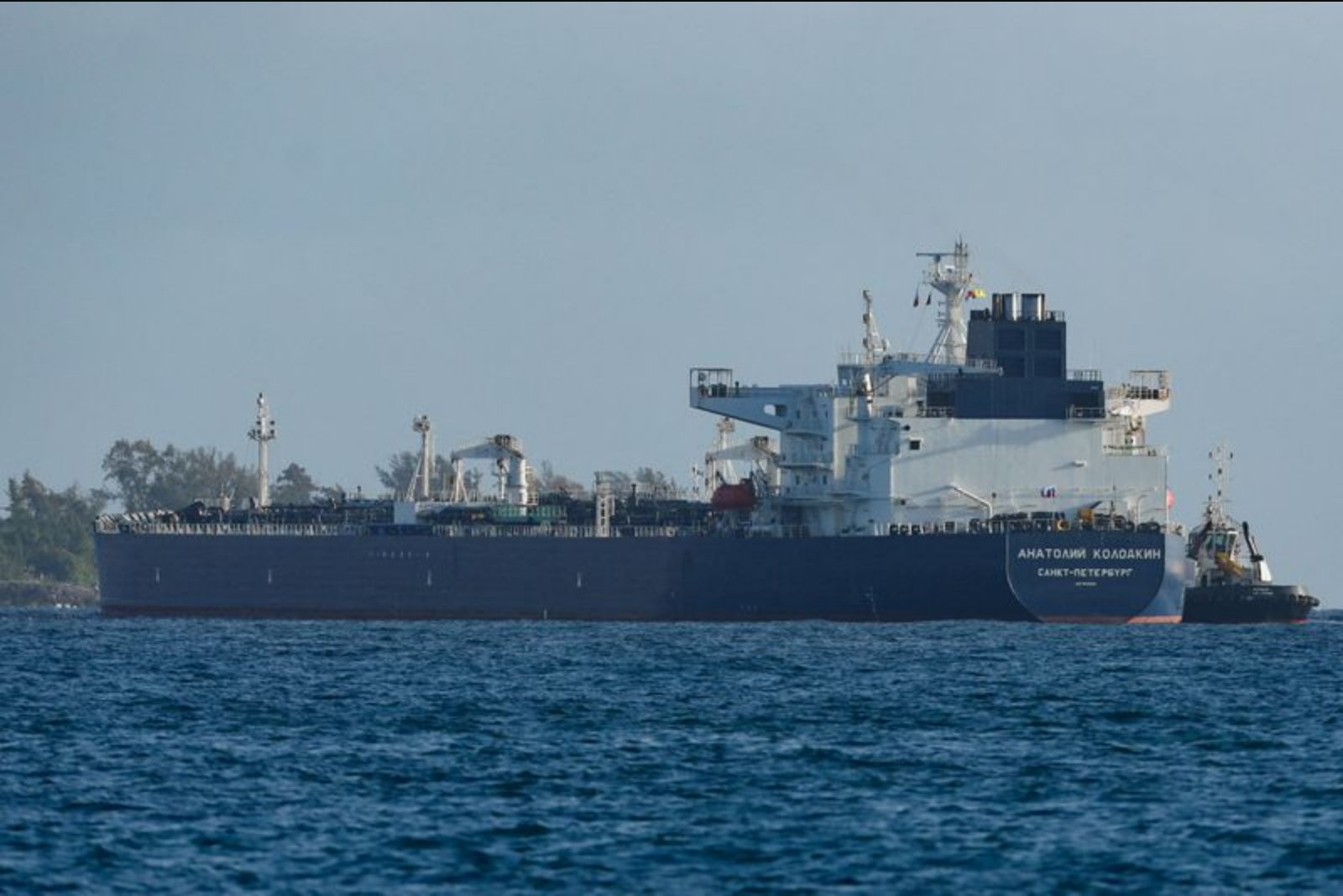
On the question of follow-up deliveries, Ryabkov said Cuba's energy requirements were a priority for Russia but cautioned that "it is too early to say what the next steps will be. But it is clear we will not be limiting our supplies to the load that was aboard the tanker Anatoly Kolodkin."
The Anatoly Kolodkin, a Russia-flagged tanker subject to U.S. sanctions, arrived in Cuba last month carrying some 700,000 barrels of Russian oil. Russian agencies described that shipment as the first large delivery of crude to the island since Washington moved to cut off Cuba's fuel supply. The United States said it permitted the tanker to discharge fuel for humanitarian reasons.
Ryabkov also addressed Moscow's broader posture in the Western hemisphere, asserting that "Russia has no plans to walk away from the Western hemisphere, no matter what Washington might say," and accusing U.S. policymakers of being "obsessed with pushing Russia and China out of the region."
He commented on recent military developments in the Middle East as well, saying that the U.S. and Israeli attacks on Iran "make it clear that using force, sanctions and political diktat do not produce desired results."
Russian officials have been working to rekindle the closer ties once held with Cuba during the Soviet era, and have publicly urged the United States against blockading the island. During a visit to Moscow in February, Cuban Foreign Minister Bruno Rodriguez met with President Vladimir Putin and Foreign Minister Sergei Lavrov, according to the Russian accounts of that visit.
Context and implications
The statements from Ryabkov emphasize both a diplomatic and practical Russian commitment to addressing Cuba's energy shortfalls that have been exacerbated by restrictions on fuel flows. While Moscow did not specify immediate follow-up steps beyond the previous tanker arrival, officials signalled that additional assistance is being considered as a priority.