
Commodities January 28, 2026

Merz Calls on Washington to Cement Commitments Before EU-U.S. Trade Deal Ratification

Chancellor warns daily policy reversals could undermine a 2025 trade pact; aluminium and steel terms remain unresolved

By Ajmal Hussain
Merz Calls on Washington to Cement Commitments Before EU-U.S. Trade Deal Ratification

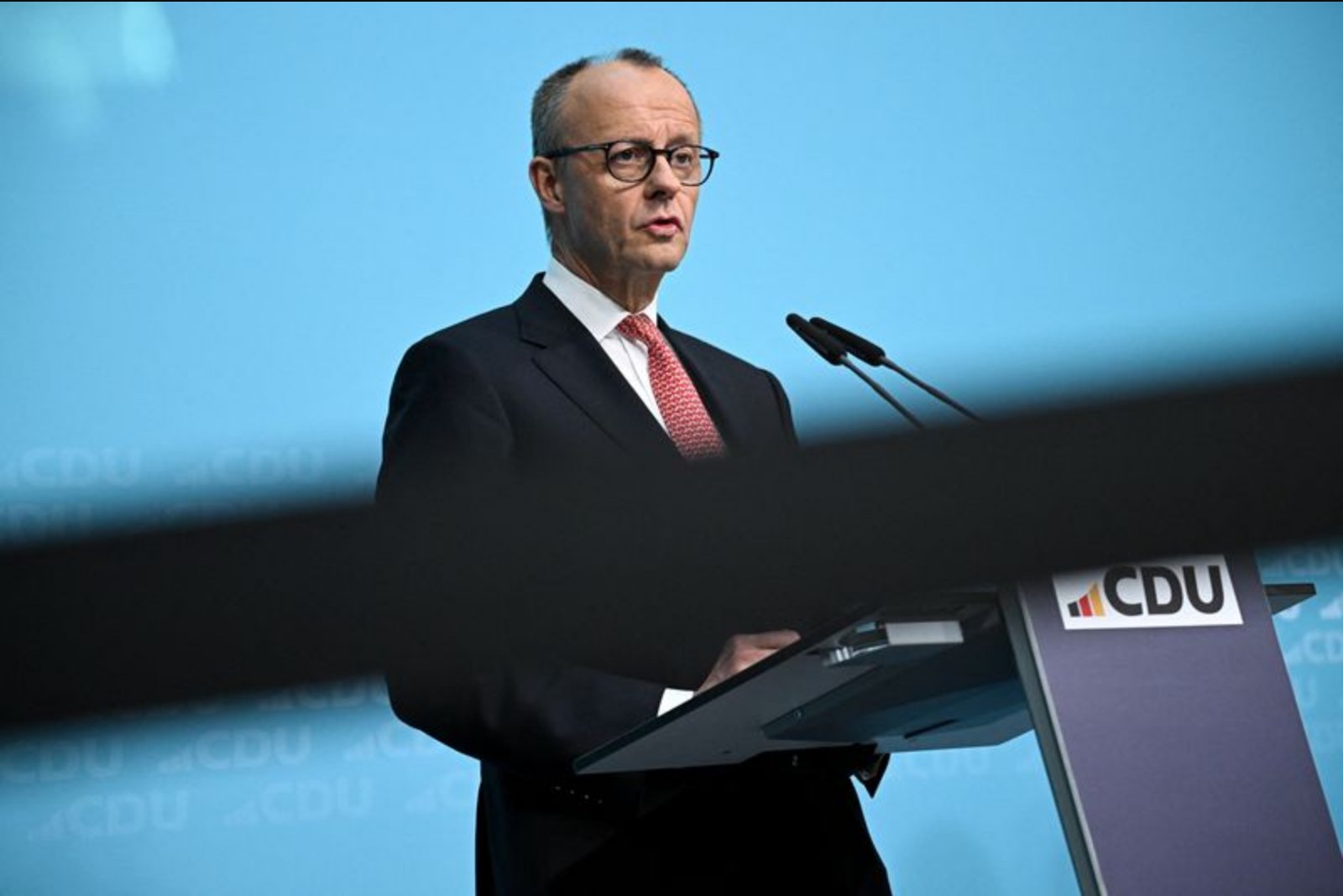
German Chancellor Friedrich Merz said the conditions for ratifying a trade agreement between the European Union and the United States exist provided Washington adheres to prior commitments. Speaking at a joint press appearance with his Romanian counterpart, Merz welcomed U.S. moves that removed new tariff threats and signalled progress on other matters, but insisted the U.S. must not sow doubt about honoring agreements reached last summer. He also noted a final settlement on aluminium and steel is still outstanding and urged rapid EU ratification of a separate trade deal with India.

Key Points

  • German Chancellor Friedrich Merz said the prerequisites for ratifying an EU-U.S. trade deal exist provided the United States honours commitments made last summer; this affects transatlantic trade relations and market confidence.
  • A final agreement on aluminium and steel has not yet been reached, highlighting exposure for metal industries and sectors reliant on these commodities.
  • Merz urged quick EU ratification of a separate trade deal with India struck on Tuesday, signalling broader trade agenda movement that could affect exporters and importers across multiple markets.

In Berlin on Wednesday, German Chancellor Friedrich Merz said the groundwork for the ratification of a trade pact between the European Union and the United States is in place - on the condition that Washington keeps the commitments it made earlier.

Merz pointed to recent U.S. actions that removed fresh tariff threats on EU imports and indicated progress in negotiations related to Greenland and NATO as factors that have helped create an environment where the planned 2025 trade deal could move toward implementation.

At a press conference alongside his Romanian counterpart, Merz stressed that the U.S. should not be permitted to introduce uncertainty about whether it will honour agreements it reached last summer. "However, the U.S. must not be allowed to cast doubt that it will stand by its commitments from last summer," he said.

He added that certain elements of the package remain unresolved. A final understanding on aluminium and steel still needs to be reached, Merz said, highlighting that these outstanding issues are part of the broader negotiation framework.

Merz also expressed concern about the potential for frequent, conflicting policy statements to weaken the agreement. He said the United States should have a clear interest in ensuring that the negotiated terms are not undermined by day-to-day announcements suggesting Washington may want to take a different approach.

"We are not prepared to accept a deterioration of this agreement," Merz said, underlining the EU's willingness to hold firm on the pact's terms.

In addition to the EU-U.S. matter, Merz said he was eager for the European Union to move quickly to ratify a trade deal with India that was concluded on Tuesday.

The chancellor's comments combined an endorsement of recent de-escalatory moves with a warning: the political and policy signals emerging from Washington must align with prior commitments if the 2025 trade deal is to be implemented without erosion of its terms. Pending resolution on metals - specifically aluminium and steel - remains a concrete outstanding task, and Merz indicated the EU will resist any weakening of negotiated outcomes.


Key context and next steps include whether the outstanding metals agreement can be finalized and whether U.S. policy communication stabilizes to avoid creating fresh doubts about commitments already made.

Risks

  • The United States casting doubt on its prior commitments could undermine ratification and investor confidence - impacting trade, manufacturing, and multinational supply chains.
  • Unresolved terms on aluminium and steel leave metal producers and industries that depend on these commodities exposed to continued uncertainty.
  • Daily or frequent policy announcements suggesting Washington may alter course risk destabilising the negotiated framework and complicating implementation - with potential market and trade volatility consequences.

More from Commodities

Gold Plunge Intensifies After CME Margin Hikes and Warsh Nomination Spurs Market Reassessment Feb 2, 2026 European Gas Prices Plunge as Forecasts Turn Milder Feb 2, 2026 BCA's MacroQuant Sees Dollar Weakness; Boosts Oil, Copper and Gold Calls Feb 2, 2026 Russian Oil Transit Through Ukraine Falls to Decade Low Amid Pipeline Strikes Feb 2, 2026 Kremlin Says Russia Presses on With Efforts to Reduce Tensions Over Iran Feb 2, 2026