
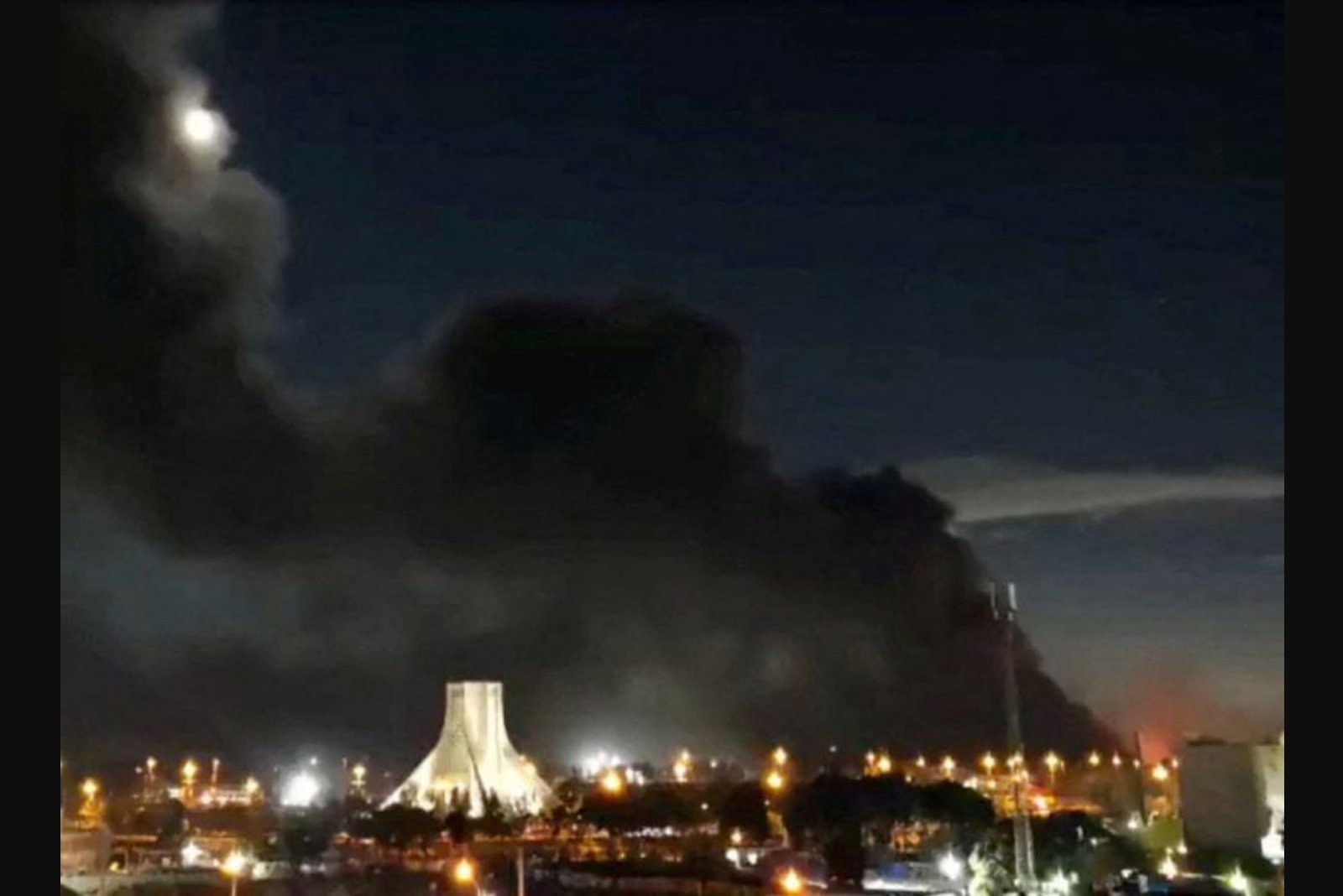
MOSCOW, April 6 - The Kremlin said on Monday that the conflict surrounding Iran is intensifying both in geographic reach and in economic consequence, and described the entire Middle East as "on fire" amid U.S. and Israeli actions directed at the Islamic Republic.
The comments came after a U.S. social media post on Easter Sunday, described as expletive-laden, in which the U.S. President threatened to target Iran's power plants and bridges on Tuesday unless the Strait of Hormuz is reopened. Asked about that post, Kremlin spokesman Dmitry Peskov told reporters that Russia had seen the remarks but that the Kremlin preferred not to provide a direct comment.
Peskov framed the situation as one of rising tension. "We note that the level of tension in the region is growing and continues to grow," he said. "In fact, the entire region is on fire. These are all very dangerous and negative consequences of the aggression that was unleashed against Iran."
He added a direct concern about the wider implications beyond the immediate theater of operations. "The geography of this conflict has expanded, and now we are all aware of the consequences that we have, including very, very negative consequences for the global economy," Peskov said.
The Kremlin comments emphasize two linked dynamics that are central to how policymakers and markets may view the situation: the territorial spread of hostilities and the attendant economic repercussions. The official language characterizes present actions as aggression against Iran and highlights intensifying regional instability.
For observers focused on macroeconomic and market effects, the statement underscores the potential for broader economic disruption if tensions continue to escalate. The Kremlin's assessment attaches a clear economic dimension to the security developments by flagging their negative implications for the global economy.
At the same time, Peskov's decision to note that Russia had seen the U.S. leader's social media comments but to refrain from a direct response indicates a measured public posture from Moscow while clearly signalling concern about regional destabilization and its spillover effects.
The situation remains fluid, with official remarks centering on the expansion of conflict geography and the potential for increasingly adverse economic outcomes. The Kremlin's language casts the unfolding events as both dangerous and broadly consequential.