
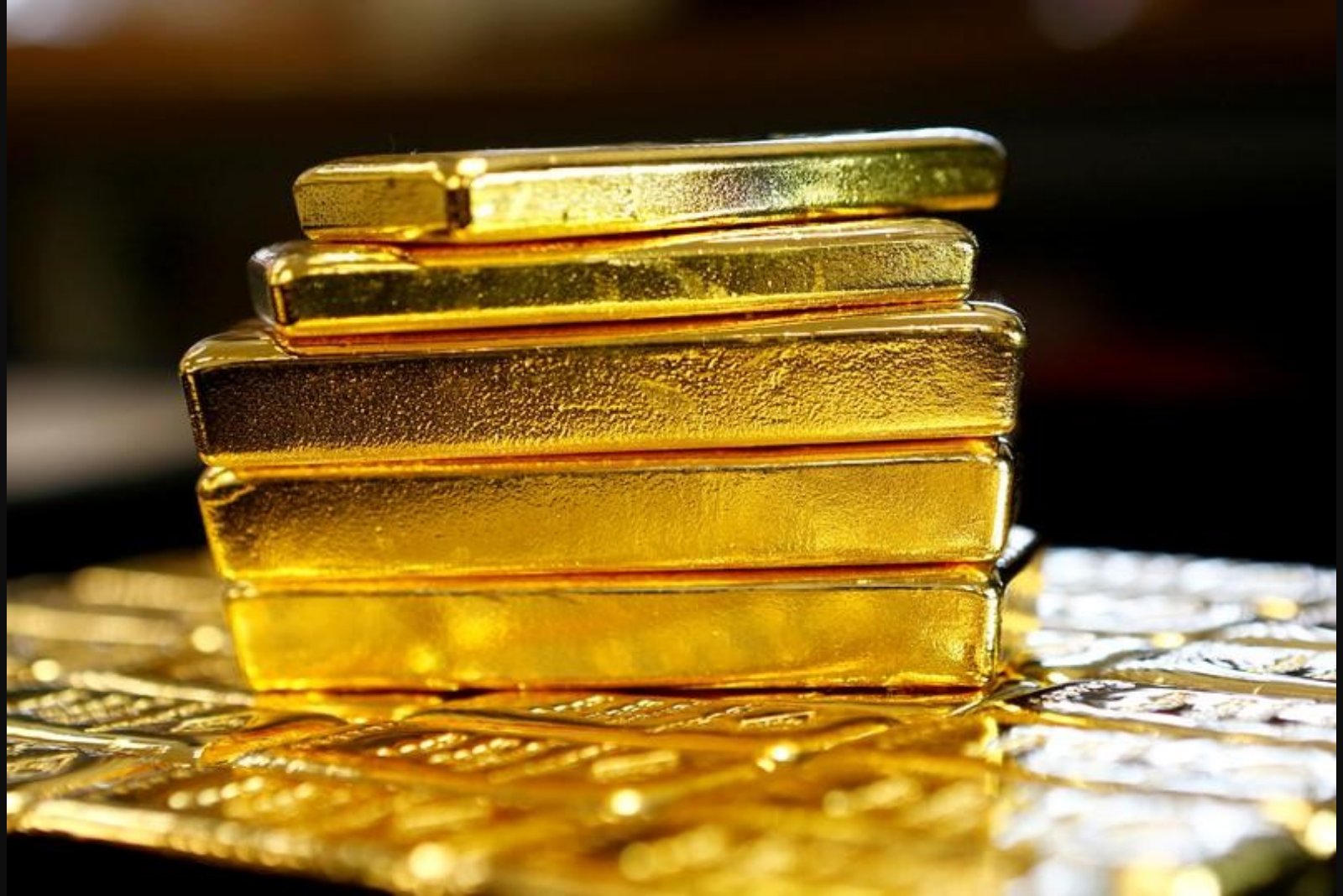
JPMorgan has increased its forecast for gold, now projecting a year-end 2026 price of $6,300 per ounce, attributing the upward revision to persistent and strengthening demand from both central banks and private investors despite recent bouts of intense price volatility.
Gold and silver experienced steep pullbacks late last week after rapid run-ups left prices overextended. The correction was in part driven by a rebound in the dollar, the bank noted. Even so, JPMorgan analysts said the broader environment remains supportive of gold and that the metal's longer-term momentum is intact.
The analysts wrote that they remain "firmly bullishly convicted in gold over the medium-term on the back of a clean, structural, continued diversification trend." They argued that ongoing structural demand trends should keep rally momentum intact despite short-term gyrations.
A primary factor behind the higher gold target was stronger-than-expected official-sector buying. JPMorgan reported that central banks acquired around 230 tonnes of gold in the fourth quarter, bringing total purchases for 2025 to roughly 863 tonnes, even as prices pushed above $4,000 an ounce. Based on that pace, the bank now expects central bank demand to be around 800 tonnes in 2026, reflecting what it describes as continued reserve diversification.
Alongside official purchases, investor demand has accelerated. JPMorgan highlighted rising ETF holdings, resilient physical demand for bars and coins, and broader portfolio allocations to gold as a hedge against a variety of macro and geopolitical risks. Those flows, the analysts said, have come in stronger than the bank previously expected.
In a note led by Gregory Shearer, the team wrote: "Gold remains a dynamic, multi-faceted portfolio hedge and investor demand has continued to come in stronger than our previous expectations. To this end, we now forecast enough demand from central banks and investors this year to ultimately push gold prices to $6,300/oz by year end 2026."
Addressing concerns that rapidly rising prices could make the rally unsustainable, the analysts pushed back. Their assessment indicated that although supply-demand dynamics become more sensitive the higher prices climb, current demand remains well above levels historically required to tighten the market.
"While the air is getting thinner the higher we go in gold prices, we are not yet close to a place where the structural rally in gold is at risk of collapsing under its own weight," the analysts added.
On silver, JPMorgan adopted a more cautious tone following its dramatic surge and subsequent pullback. The bank warned that without central banks acting as structural dip buyers, silver could face a deeper correction relative to gold in the near term. The analysts said they are "a bit apprehensive of a potentially deeper shakeout in silver vis-a-vis gold in the near-term." They also stressed that silver forecasts carry a "high" margin of error.
Nonetheless, the team still sees a higher average floor for silver, estimating it around $75 to $80 an ounce and stating the metal is "unlikely to fully relinquish its recent gains" even after its rapid catch-up to gold. Over a longer horizon, JPMorgan expects higher prices to alter fundamentals, with implications for silver's supply-demand balance that would gradually erode the deficit behind its recent surge.
The bank's updated outlook underscores its view that structural diversification by official buyers combined with stronger investor flows form the critical foundation for higher precious metals prices over the medium term. While acknowledging the speed and volatility of recent moves, JPMorgan's analysts reiterated conviction in gold's continued strength and urged caution on silver's near-term path without sustained official support.