
Overview
The conflict that began on February 28 with U.S. and Israeli strikes on Iran has inflicted a sharp contraction in global oil production and shipping activity, analysts say, prompting a dramatic revision to market forecasts. The situation has choked flows through the Strait of Hormuz - a key maritime corridor handling roughly one-fifth of global oil consumption - and caused production shut-ins and attacks on energy infrastructure that have materially reduced output.
New consensus points to a 2026 deficit
In a recent poll of market analysts, eight respondents on average now expect demand to outstrip supply by 750,000 barrels per day for the year, a reversal from a prior outlook that projected a surplus. A similar poll conducted last September had anticipated a 1.63 million barrels per day surplus for 2026, a view that reflected OPEC+ decisions to unwind some output cuts and robust production among other producers including the U.S., Brazil and Guyana.
International Energy Agency estimates indicate the conflict had reduced oil supply by about 11 million barrels per day as of the end of March, while a note from ANZ on April 9 put the effective removal of crude supply at roughly 9 million barrels per day. Global oil supply was roughly 106.6 million barrels per day in January, according to the IEA.
Analysts polled expect the immediate shocks to translate into an average production loss of 2.13 million barrels per day across the full year. They expect the market to experience its steepest shortfall in the second quarter, averaging around 3 million barrels per day, before conditions shift back toward a surplus of about 1.4 million barrels per day in the fourth quarter.
Shipping bottlenecks and a large cargo backlog
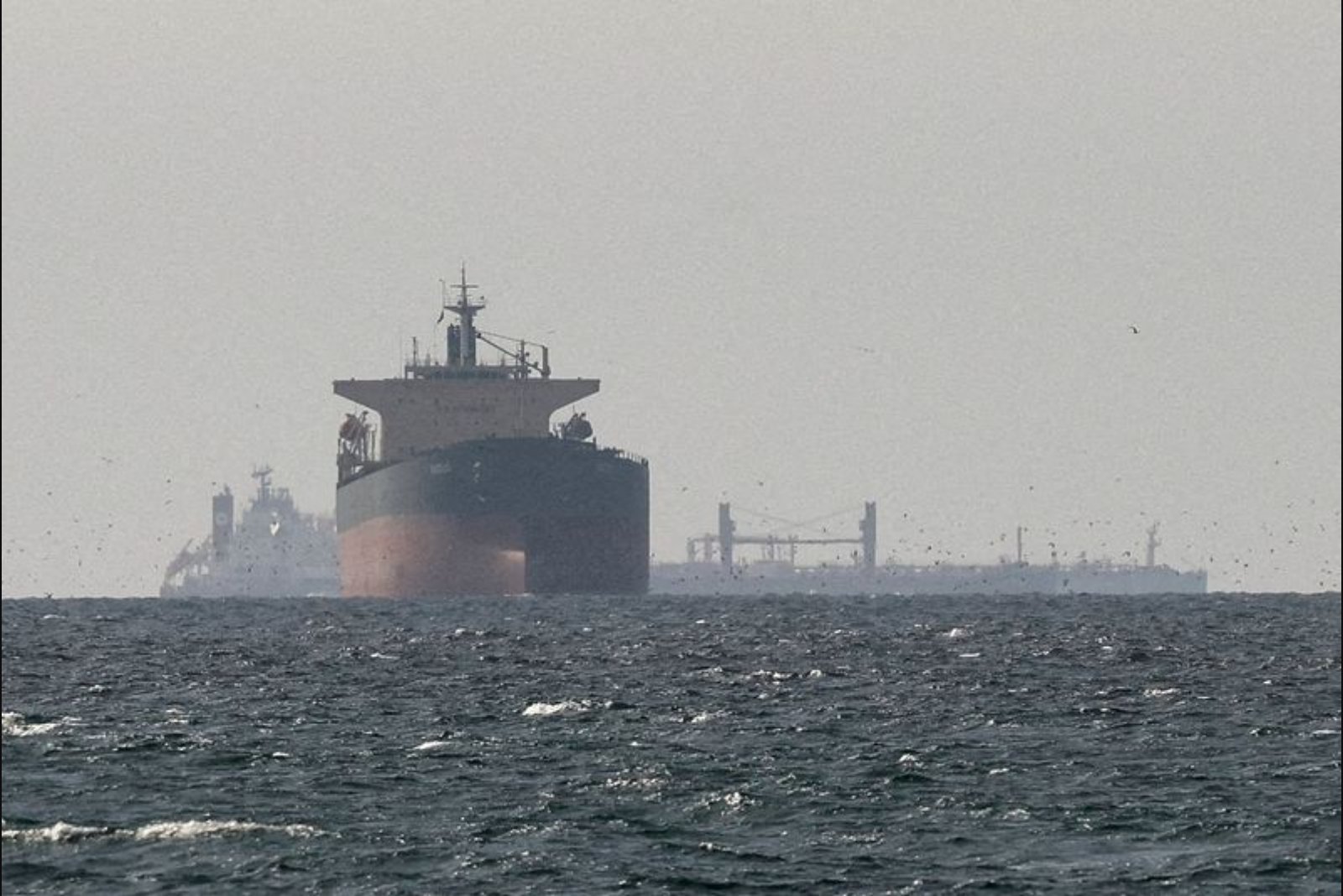
Flows through the Strait of Hormuz remain constrained, and traders have reported no clear signs of a sustained resumption in shipments even after a ceasefire was announced on Tuesday. The disruption has left an estimated 136 million barrels of crude oil and products effectively stuck in the Gulf, according to Vikas Dwivedi, global energy strategist at Macquarie Group. That backlog will take time to work through.
Clearing cargoes from regional storage and ships is not simply a function of reopening the strait. Many shippers still face post-ceasefire challenges: there are reports that Iran plans to charge fees for vessels transiting the Strait of Hormuz. That raises immediate concerns around insurance and the potential risk of violating sanctions by transacting with Iran if tolls are paid, Dwivedi said. Such legal and commercial frictions are likely to slow the pace at which cargoes resume normal routing.
Production recovery likely to be uneven
Analysts caution that restoring oil output to pre-conflict levels will take months and will depend on the scale of damage to fields and infrastructure as well as how freely shipping can move through Hormuz. In a constructive security scenario, ANZ analysts estimated that around 2 million to 3 million barrels per day of output could return in the first month as export flows resume, with another 2 million to 3.5 million barrels per day potentially coming back into the market through the remainder of the second quarter.
However, ANZ also warned of operational friction, damaged infrastructure and export bottlenecks that make recovery unlikely to be smooth. The bank said there is a risk that roughly 1 million to 2 million barrels per day of capacity could be permanently lost or remain limited even after hostilities end. Such an outcome would leave the market structurally tighter and amplify price volatility.
Price implications
Supply disruptions tied to the conflict prompted the largest annual increase in price forecasts on record for the recent poll, with analysts lifting their 2026 Brent crude forecasts by roughly 30% to $82.85 a barrel. The conflict has already pushed oil prices up by roughly 50%.
What to watch
- Duration of constraints in the Strait of Hormuz and the pace at which shipping operations normalize.
- Time required to repair and restart damaged production and export infrastructure.
- The speed at which the Gulf backlog of roughly 136 million barrels is cleared and returned to market channels.
Each of these factors will materially affect when and how quickly the market can move from an acute second-quarter deficit toward any later-quarter surplus, and they will influence price volatility and the distribution of supply across consuming regions.