
The confrontation that began on February 28 with U.S. and Israeli strikes on Iran has sharply curtailed oil flows and production, analysts said, pushing market balances from predicted excess into a clear supply deficit for 2026.
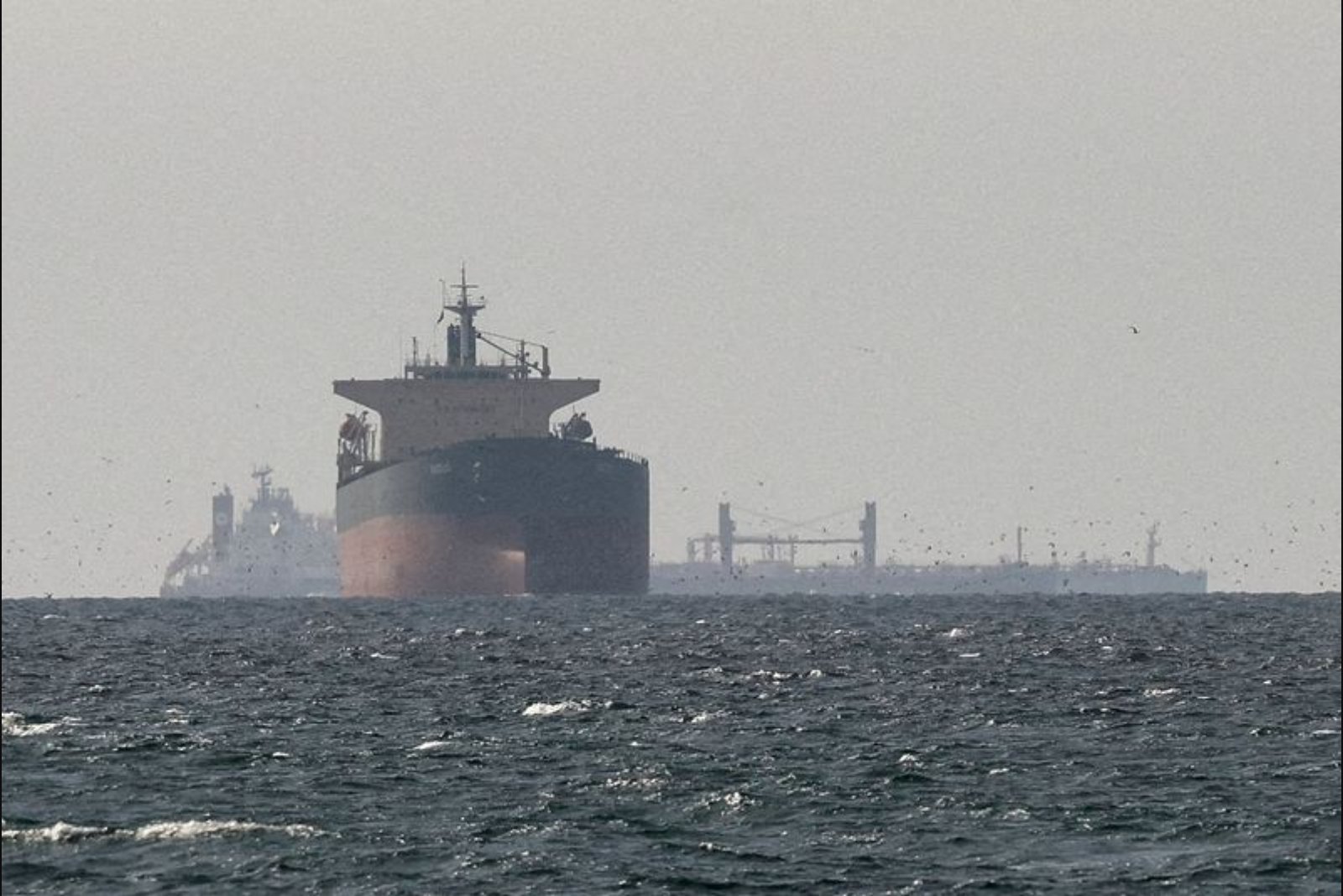
At the heart of the disruption is the Strait of Hormuz, a narrow passage that normally handles roughly one-fifth of global oil consumption. Traders and analysts report that traffic through the strait has been effectively stalled, while production shut-ins and attacks on energy infrastructure have further reduced output.
In a Reuters poll, eight analysts on average forecast that global oil demand will outstrip supply by about 750,000 barrels per day (bpd) over the year. That represents a substantial reversal from a September poll that projected a 1.63 million bpd surplus for 2026. The earlier surplus view reflected OPEC+ moves to unwind some cuts and strong output from producers such as the U.S., Brazil and Guyana.
Different agencies and banks have produced large, if varying, estimates of the immediate supply impact. The International Energy Agency said the war had cut around 11 million bpd of oil supply as of the end of March. ANZ in a note dated April 9 estimated roughly 9 million bpd of crude supply had been effectively removed. For context, the IEA reported global oil supply near 106.6 million bpd in January.
Analysts polled expect those initial shocks to translate into an average production loss of 2.13 million bpd over the full year. They forecast the deepest pressure on supply in the second quarter, with an average deficit near 3 million bpd, before the market swings back to an estimated 1.4 million bpd surplus in the fourth quarter.
How long the shipping constraints persist is a key variable. Traders said there were no clear signs of a sustained resumption in shipments through the strait even after a ceasefire was announced on Tuesday. The slowdown has left a substantial backlog of crude and products in the Gulf: Vikas Dwivedi, global energy strategist at Macquarie Group, estimated about 136 million barrels remain stuck there.
Clearing that backlog is expected to take time. Many shippers face outstanding operational hurdles despite the ceasefire, including reports that Iran plans to charge fees to vessels transiting the Strait of Hormuz. Dwivedi noted specific complications, saying that issues include insurance and the risk of violating sanctions when transacting with Iran if such tolls are paid.
Market prices and forecasts have already reacted. The supply disruptions prompted the largest annual increase in Reuters poll records last month, with analysts lifting their 2026 Brent price forecast by about 30 percent to $82.85 a barrel. Overall, the conflict has pushed oil prices roughly 50 percent higher.
Restoration of production to pre-conflict levels will depend on the degree of damage at oilfields and the reestablishment of normal shipping through Hormuz. Analysts at ANZ cautioned that even under a constructive security scenario, only partial near-term recovery is likely. They projected around 2 million to 3 million bpd could return in the first month as export flows resume, with a further 2 million to 3.5 million bpd potentially coming back into the market over the remainder of the second quarter.
ANZ warned that operational friction, damaged infrastructure and export bottlenecks mean recovery is unlikely to be smooth. They also flagged a material risk that about 1 million to 2 million bpd of capacity may be permanently lost or remain constrained even after the conflict, which would contribute to a tighter market and heightened price volatility.
The situation leaves market participants and related sectors monitoring a narrow set of variables: the pace at which shipping lanes reopen, the time needed to repair and restart production facilities, and the ability of traders and shippers to move stored crude and products out of the Gulf without breaching sanctions or insurance limits. These dynamics will determine how quickly the projected deficits ease and whether the market will reach the forecasted fourth-quarter surplus.