
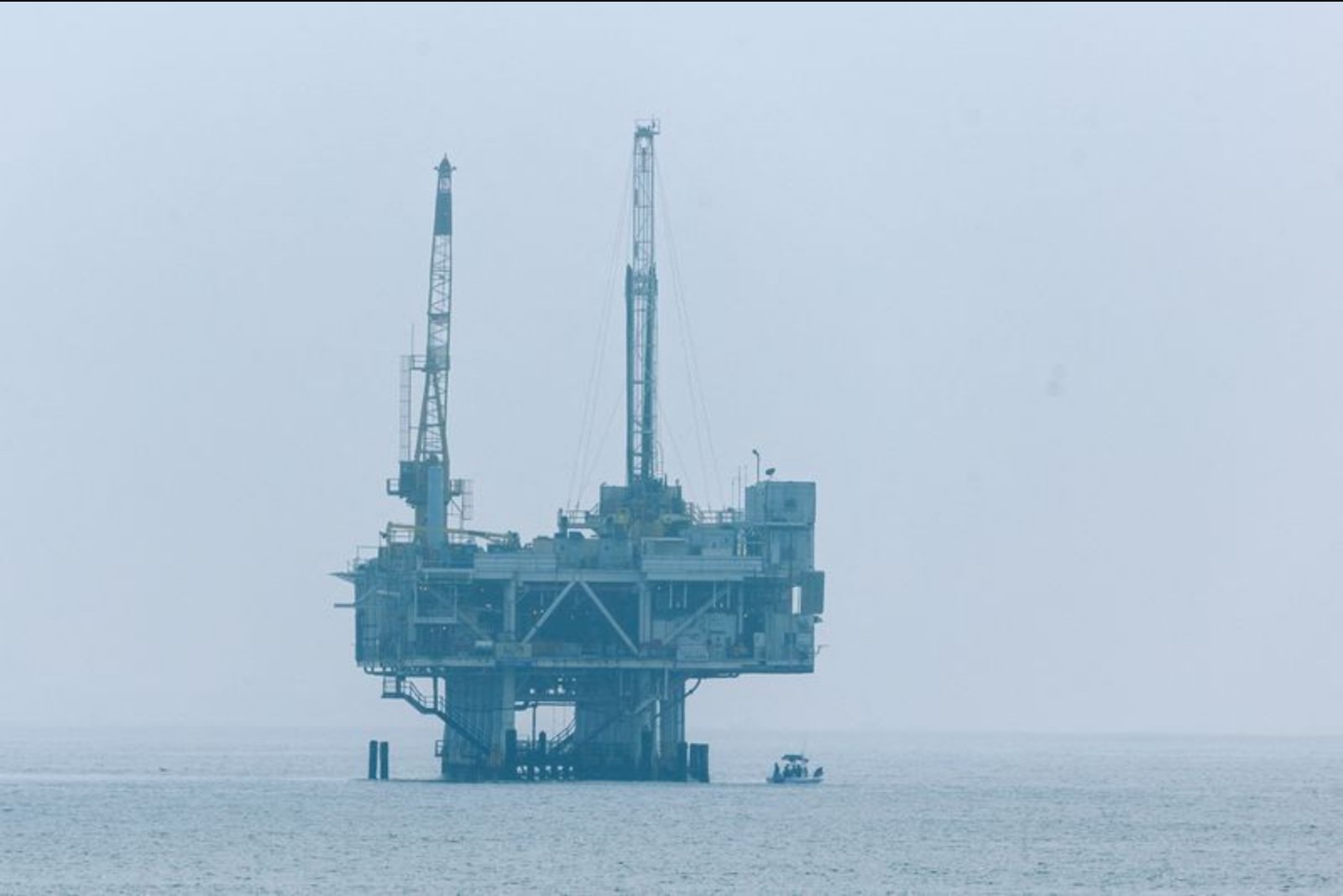
Jan 26 - The Interior Department on Monday asked oil and gas companies to nominate tracts for a potential offshore oil and gas lease sale covering Southern and Central California, opening a public nomination period as part of a broader push to expand offshore drilling.
The agency said industry participants and members of the public will have 30 days to submit comments and nominations to the Bureau of Ocean Energy Management (BOEM). The administration framed the request as an initial step toward renewed federal leasing activity along parts of the Pacific coast that have seen little new development in recent decades.
In a written statement, Matt Giacona, acting director of the Interior’s Bureau of Ocean Energy Management, said, "We’re taking the first step toward a stronger, more secure American energy future."
Officials signaled different markers for timing. The Biden administration’s more moderate leasing plans were cited as a point of contrast by critics, while BOEM has tentatively scheduled first lease sales in Southern and Central California for 2027. The initial invitation to nominate areas described the potential sale as one that could be held as soon as next year, leaving the near-term schedule unclear.
California state leaders and environmental organizations reacted swiftly and negatively. Governor Gavin Newsom and a range of environmental groups denounced the plan, arguing it endangers the state’s coastal economy and marine ecosystems. Kristen Monsell, oceans legal director at the Center for Biological Diversity, said, "Trump just took another disturbing step toward opening California’s coast to dangerous new offshore drilling," warning of threats to communities, wildlife and the coastline and calling the move "a reckless attempt to sell out our coastline to oil companies."
Context for the announcement notes that the United States has not auctioned Pacific drilling rights since 1984 and that California’s coastline has largely been shielded from new energy development since a major 1969 oil spill in Santa Barbara that inspired key environmental protections.
By federal data, waters under federal jurisdiction accounted for 14% of U.S. oil production in 2024, while leases in the Pacific made up just 0.1% of that federal output. Advocates of expanded leasing see it as aligning with an agenda to bolster domestic fossil fuel production; opponents emphasize potential local economic and environmental harms.
What happens next: The public and industry have a 30-day window to submit comments and nominations to BOEM. BOEM’s current timeline lists tentative first lease sales in Southern and Central California for 2027, though the nomination notice also referenced the possibility of a sale as soon as next year, creating an uncertain near-term schedule.