
Commodities January 27, 2026

India Cuts Back on Russian Crude as It Broadens Supply Base, Oil Minister Says

Hardeep Puri reports a fall in Russian shipments amid market-driven choices and intensified external pressure

By Caleb Monroe
India Cuts Back on Russian Crude as It Broadens Supply Base, Oil Minister Says

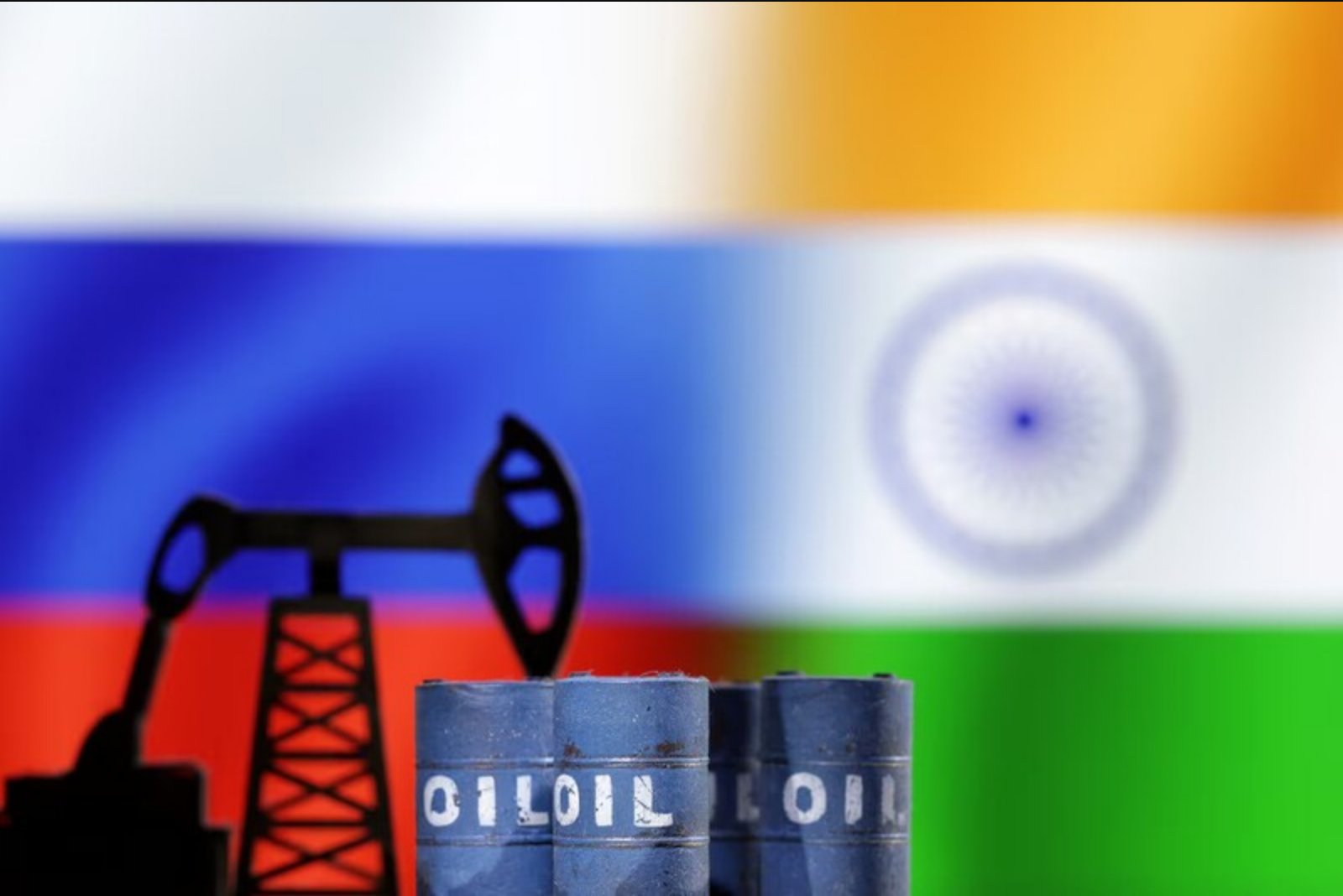
India's imports of Russian crude oil have fallen to 1.3 million barrels per day from an average of 1.8 million bpd last year, Oil Minister Hardeep Puri said in a television interview, noting a clear declining trend as the country diversifies suppliers and allows companies to decide their purchasing strategies.

Key Points

  • India's imports of Russian crude have declined to 1.3 million barrels per day from an average of 1.8 million bpd last year, according to Oil Minister Hardeep Puri.
  • The government has not mandated purchases of Russian oil; companies retain discretion over procurement decisions and are seeking diversification.
  • India currently buys crude from 41 countries and companies are looking to increase imports from Canada and the United States, with implications for global oil markets given India's status as the third-largest crude buyer.

India's reliance on Russian crude oil has eased, Oil Minister Hardeep Puri said in an interview on Bloomberg Television, as the country widens the pool of crude suppliers and leaves procurement decisions to companies rather than issuing government mandates.

Speaking on Tuesday, Puri gave new figures showing shipments from Russia have already fallen to 1.3 million barrels per day, down from an average of 1.8 million barrels per day in the prior year. "There is a declining trend," he said, adding that "These are market driven conditions."

Puri's comments underscore a deliberate move toward diversification. He noted that India now purchases crude from 41 different countries and that Indian firms have expressed interest in boosting imports from Canada and the United States as part of this strategy.

The minister also acknowledged external pressure on Indian purchases of Russian oil, pointing to additional tariffs imposed by the United States. Despite that pressure and the drop in volumes, he said flows of Russian oil to India have remained resilient, crediting part of that resilience to attractive pricing.

India's purchasing behavior carries weight on the global stage because the country remains the world's third-largest buyer of crude oil, a status that makes its sourcing mix consequential for international oil markets.

Within the framework described by Puri, the government has chosen not to direct companies on whether to buy Russian crude. That hands autonomy to refiners and trading firms to weigh market factors, including price and supply options, as they determine procurement strategies.

The information Puri provided paints a picture of a market-driven reallocation of supply sources: lower Russian volumes, ongoing resilience of Russian shipments influenced by price, and active interest from Indian companies in alternative suppliers such as Canada and the United States. The balance between market incentives and external policy pressures appears to be shaping India’s crude import mix.

Risks

  • Increased U.S. tariffs and related external pressure could influence trade flows and procurement decisions, affecting energy importers and global oil market dynamics.
  • The resilience of Russian oil shipments to India relies in part on attractive pricing; shifts in price competitiveness could alter flows and impact refiners and traders.
  • Uncertainty remains over whether the observed declining trend in Russian imports will continue, which has implications for market participants and broader oil supply-demand balances.

More from Commodities

Precious Metals Plunge Sends Ripples Through Global Markets Feb 2, 2026 Gold Plunge Intensifies After CME Margin Hikes and Warsh Nomination Spurs Market Reassessment Feb 2, 2026 European Gas Prices Plunge as Forecasts Turn Milder Feb 2, 2026 BCA's MacroQuant Sees Dollar Weakness; Boosts Oil, Copper and Gold Calls Feb 2, 2026 Russian Oil Transit Through Ukraine Falls to Decade Low Amid Pipeline Strikes Feb 2, 2026