
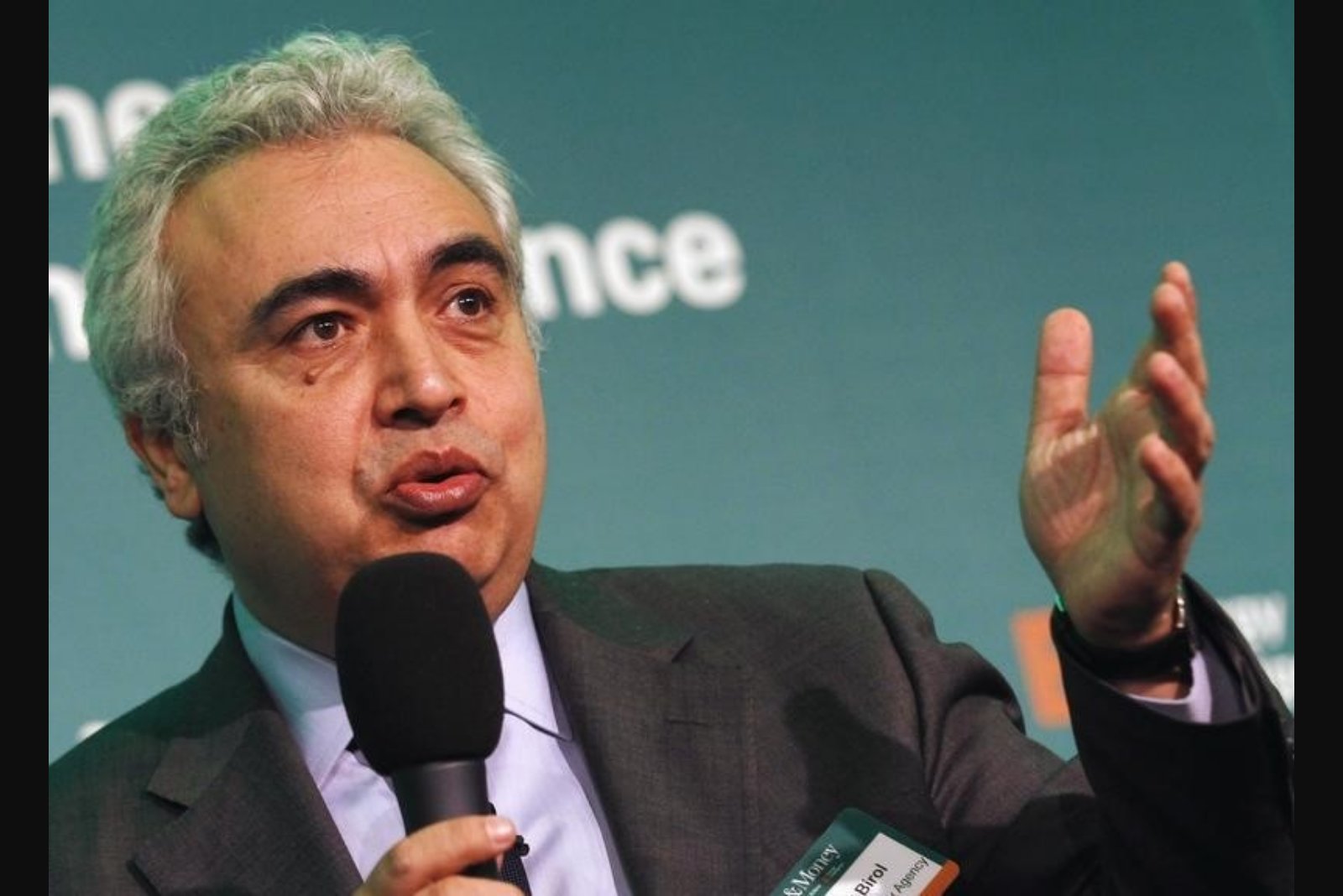
Fatih Birol, executive director of the International Energy Agency (IEA), said Tuesday that the current disruption to global energy flows caused by Iran’s blockade of the Strait of Hormuz is unprecedented in scale. In comments to the French newspaper Le Figaro, he said, "The world has never experienced a disruption to energy supply of such magnitude," calling the present situation "more serious than the ones in 1973, 1979 and 2022 together."
Iran moved to almost entirely halt traffic through the Strait after strikes by Israel and the United States, choking a waterway through which around a fifth of the world’s oil and gas normally passes. That constriction of supply has driven energy prices markedly higher.
Markets continued to react on Tuesday as a U.S. deadline for Iran to reopen the Strait approached. President Donald Trump warned that Iran would be "taken out" if it did not lift its blockade, and threatened strikes on Iranian infrastructure. Brent crude rose 0.2% to $110.01 a barrel by 08:41 GMT, while U.S. West Texas Intermediate (WTI) climbed 0.3% to $112.75, extending gains from the previous session.
Birol said the consequences of the blockade will be felt across advanced economies, including European nations, Japan and Australia. He added that developing countries face the greatest exposure to the shock, confronting a mix of surging oil and gas costs, higher food prices and a broad acceleration of inflation.
In response to the supply shock, IEA member countries agreed last month to open their strategic petroleum reserves. Birol said those releases were already underway and continuing.
Context and market reaction
The stoppage in the Strait of Hormuz has tightened an already stressed segment of global energy logistics by impeding passage along a route that normally carries roughly one-fifth of global oil and gas shipments. The immediate market response included a rise in benchmark crude prices, reflecting concern over availability and potential for prolonged disruption.
Policy and supply actions
IEA members have moved to deploy strategic reserves as a direct countermeasure to the disruption. Birol confirmed that those releases are in progress, indicating an active international policy response aimed at mitigating the supply shortfall.
Economic implications
According to Birol, the shock will span both developed and developing economies, but will weigh more heavily on lower-income countries that confront higher energy costs alongside rising food prices and accelerating inflationary pressures.