
Commodities June 26, 2026 03:19 AM

IAEA to Gain Access Under Interim U.S.-Iran Accord, Chief Says

Agreement paves way for inspections despite Tehran’s earlier statements that some sites would stay off-limits until a final deal

By Avery Klein
Share
Twitter Reddit Facebook LinkedIn

An interim memorandum between the United States and Iran allows United Nations nuclear inspectors to enter Iran, the head of the International Atomic Energy Agency (IAEA) said. Tehran had indicated some facilities would remain inaccessible until a comprehensive agreement and sanctions relief were secured, but IAEA Director General Rafael Grossi said inspectors must be permitted to carry out verification work and that an initial technical exchange has already taken place.

IAEA to Gain Access Under Interim U.S.-Iran Accord, Chief Says
Summarize with
ChatGPT Perplexity Claude Grok Gemini

Key Points

  • An interim memorandum between the U.S. and Iran establishes a 60-day window for talks and grants the IAEA the right to inspect Iran, according to the IAEA director general - impacts international nuclear oversight and diplomatic relations.
  • IAEA inspectors have held an initial technical exchange with Iranian officials; the immediate verification aim is to check seals and account for previously inspected material - relevant to nuclear verification and related regulatory sectors.
  • Iran has not shared details on how much enriched uranium survived recent attacks or its present location; the agency previously estimated 440.9 kg enriched up to 60% before the conflict - a fact with implications for security, defence, and uranium markets.

TOKYO, June 26 - The interim memorandum of understanding between the United States and Iran provides the International Atomic Energy Agency with the authority to carry out inspections inside Iran, the agency's director general said on Friday.

The accord, signed last week, creates a 60-day window for talks to tackle more complex matters tied to Iran's nuclear programme. Tehran had indicated that access to certain sensitive sites would not be granted until a final settlement with Washington had been reached and sanctions were lifted. Iran's deputy foreign minister, Kazem Gharibabadi, said on Wednesday there were no plans to open those sites to inspectors.

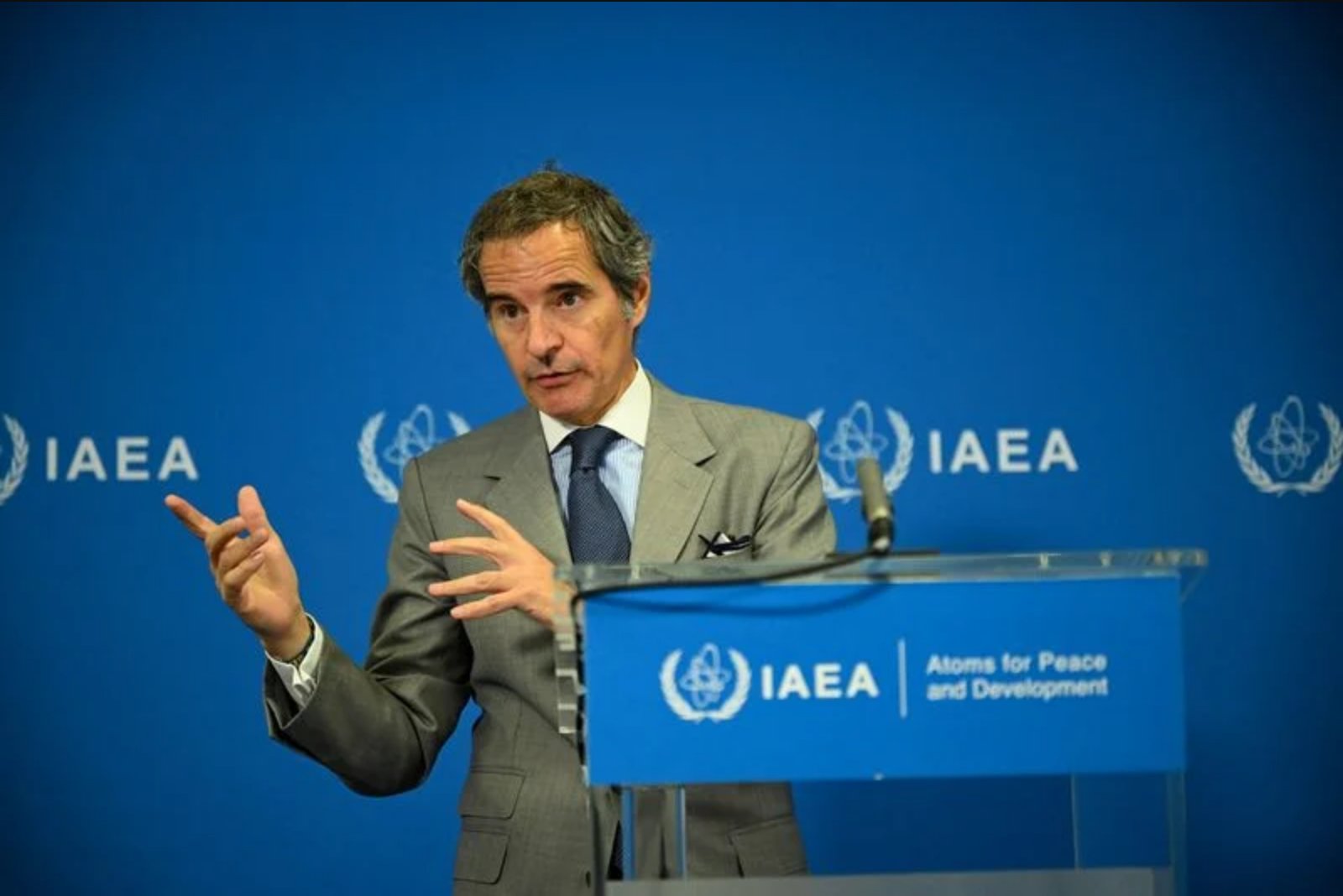
Rafael Grossi, the IAEA chief, countered that inspections were required under the interim agreement. "There is an agreement and to comply with that agreement, the IAEA will have to have access and inspect," he said at a press conference in Japan. "We hope to be there soon."

Grossi reported that IAEA inspectors have already conducted an initial technical exchange with Iranian officials to discuss procedural and technical issues ahead of any on-the-ground work. He described the first objective of a visit as a basic inventory and integrity check: to confirm whether IAEA seals on material previously inspected remain intact and to verify whether any material is missing.

"Intentions are not enough. We have to have a very strong verification system in place," Grossi added, underscoring the agency's emphasis on concrete, verifiable measures rather than diplomatic pledges alone.

The IAEA also faces uncertainty over the status and location of enriched uranium following recent attacks. Iran has not informed the watchdog how much of its enriched uranium survived attacks attributed to the United States and Israel or where remaining material is located. The agency estimated that, before the conflict began, Iran held 440.9 kg of uranium enriched to as much as 60% purity. The IAEA has noted that if that material were further enriched, it would represent enough fissile material, by the agency's yardstick, for roughly 10 nuclear weapons.


Next steps - The agency's stated priorities for any upcoming mission are limited to verifying seals and accounting for material already under its oversight, followed by establishing a robust verification regime consistent with the terms of the interim accord.

Risks

  • Restricted access: Tehran signalled some sites would remain off-limits until a final agreement and sanctions relief, which risks delaying or limiting verification activities - affects international monitoring and security sectors.
  • Uncertain inventory: Iran has not informed the IAEA how much enriched uranium survived recent attacks or where it is, creating uncertainty for verification efforts - impacts defence and nuclear safeguards operations.
  • Potential for further enrichment: The IAEA estimate that 440.9 kg of uranium enriched to 60% could, if enriched further, amount to material sufficient for about 10 nuclear weapons under the agency's yardstick, highlighting proliferation concerns - relevant to security and defence markets.

More from Commodities

Italy to Join U.S.-Led Pax Silica AI Supply Chain Initiative Despite Diplomatic Rift Jun 26, 2026 Montenegro and FBI Detain Iranian National Linked to Major U.S. Cyberattacks Jun 26, 2026 Gold Falls for Fourth Straight Week as Dollar Strength and Fed Hike Odds Rise Jun 26, 2026 Saudi Aramco Restarts Loading at Ras Tanura After Nearly Four-Month Interruption Jun 25, 2026 Oil Prices Slip as Strait of Hormuz Shipments Resume After Attack Near Oman Jun 25, 2026