
Guyana is expected to record real economic growth of 16.2% in 2026, a slowdown from the 19.3% expansion anticipated for 2025, according to figures presented by the finance ministry. The government continues to attribute the bulk of the expansion to the oil and gas sector, which remains the dominant contributor to aggregate output.
In the budget presentation, Finance Minister Ashni Singh set out projections for the hydrocarbon sector in 2026. The ministry forecasts oil sector growth of 17.9% for the year, down from 21% in 2025 and markedly lower than the 57.7% growth recorded in 2024. Average crude production for 2026 is projected at 840,000 barrels per day (bpd).
The ministry anticipates 309 crude oil cargo exports next year, up from 260 cargoes in the most recent year, and estimates oil receipts of roughly $2.79 billion. For context in the ministry's presentation, a single crude cargo is estimated to contain about one million barrels.
Officials signaled that the oil sector will remain central to growth in 2026, noting that production from a fifth offshore project is scheduled to commence later in the year. The finance ministry also cited recent capacity increases by operators - ExxonMobil raised its production capacity in Guyana to more than 900,000 bpd in the prior year - and noted that a project planned for development during the current year could lift capacity further to as much as 1.15 million bpd.
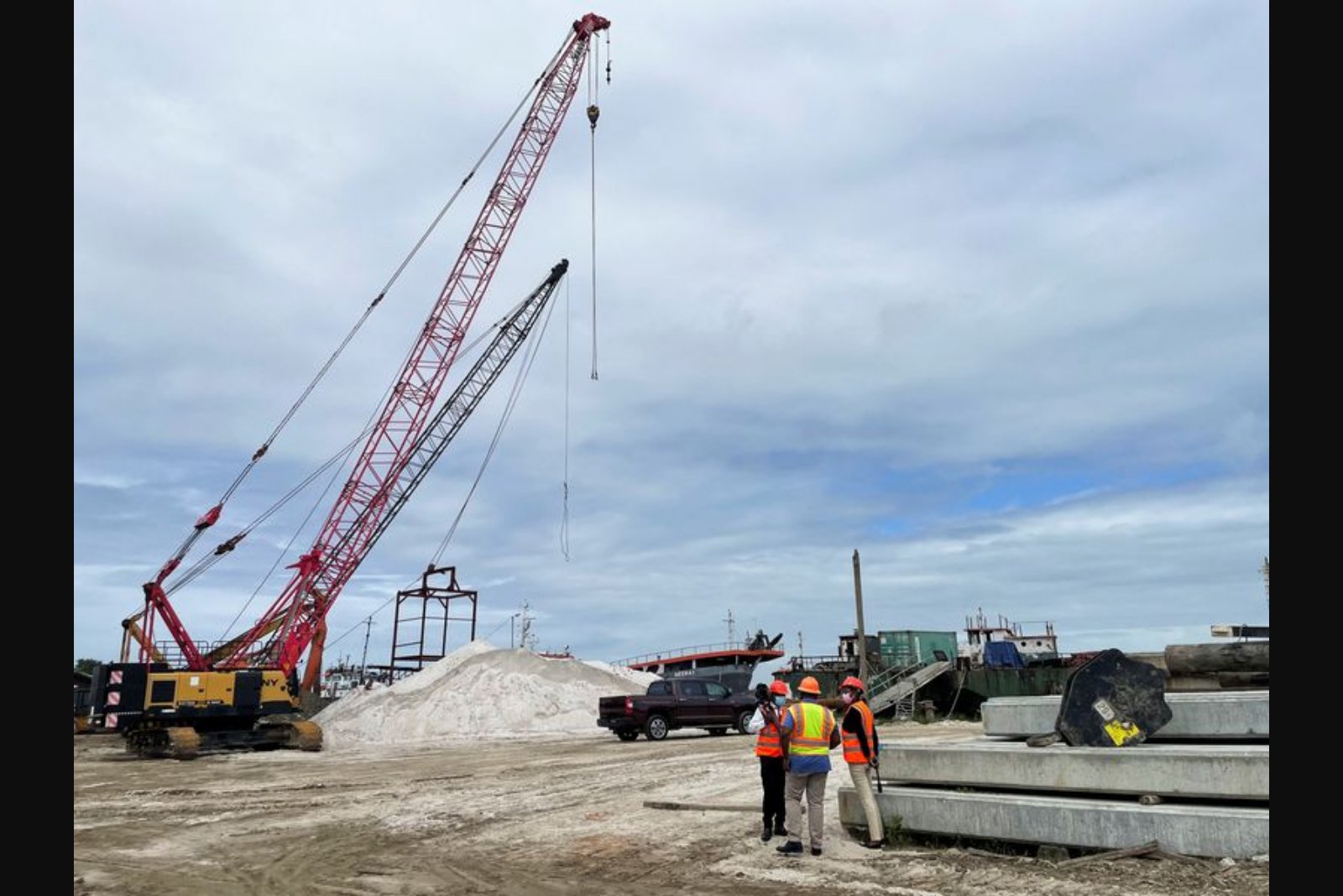
Alongside hydrocarbon-driven expansion, the government is widely expected to keep an infrastructure-heavy orientation in its budgetary approach. Policy intentions described in the presentation include deploying oil revenue to support a five-year housing program to build 40,000 homes and to expand road networks across the country.
Singh highlighted that 2025 marked the sixth consecutive year of double-digit growth for the economy, even as the pace of increase in oil production and exports eased relative to earlier years. Non-oil activity also contributed meaningfully to overall expansion, with the non-oil sector estimated to have grown by 14.3% in the most recent year. That non-oil growth was driven primarily by agriculture, mining, construction and the services industries.
"Our overall real economic growth continues to be supported by strong expansion in oil and gas activity, as well as sustained growth across the non-oil sectors of the economy," the finance ministry said in its budget presentation.
Crude output for the full year of 2025 was reported at 261.1 million barrels, up from 225.4 million barrels in 2024. The increase followed the start of operations on a fourth offshore oil project in August, operated by a consortium led by ExxonMobil. The ministry noted that all of Guyana's oil production is controlled by that ExxonMobil-led group.
The presentation also reiterated Guyana's status as the newest oil producer in Latin America and noted that, in recent years, the country has become the region's fifth-largest crude exporter, ranking after Brazil, Mexico, Venezuela and Colombia.
Sections below summarize key takeaways, sector impacts and risks identified in the ministry's projections.