
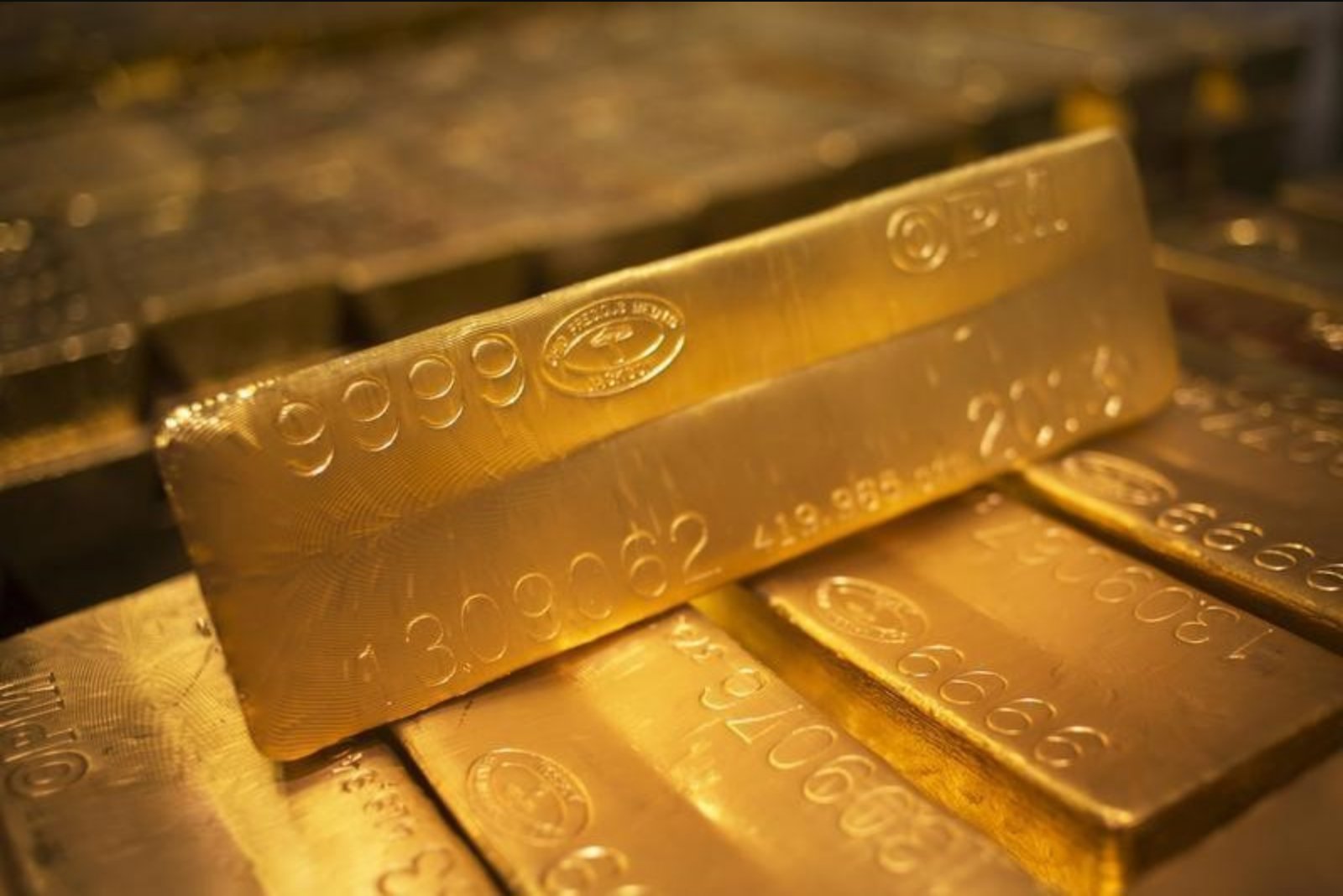
Gold and silver extended a steep decline on Monday as margin increases announced by the CME Group added to heavy liquidation that began late last week after Kevin Warsh was named as the incoming Federal Reserve chair.
By 11:27 GMT (06:27 ET), XAU/USD gold was down 2.4% at $4,752.98 per ounce, after having plunged nearly 10% earlier in the session. The metal had already surrendered more than 9.8% on January 30, a one-day fall described as its steepest since 1983.
The retreat has been both swift and sizeable. Gold has fallen by roughly $900 since it reached an all-time high of $5,594.82 on January 29, effectively wiping out most of its gains for the year in just two trading days.
Pressure on prices intensified following an announcement from the CME that it would raise margin requirements across precious metals futures on January 30, with the increases scheduled to take effect after Monday's market close. Analysts at Yardeni said the timing of the announcement magnified the market's response.
"By announcing the hike before Friday's close, the CME effectively warned traders that any positions held over the weekend would be subject to significantly higher collateral requirements by Monday. This forced many participants to liquidate their positions during the final hours of trading on Friday, which contributed to the late-session acceleration of the price drop," Yardeni's analysts wrote on Sunday.
Silver moved in step with gold, underscoring the scale of the unwind. XAG/USD was down 2.3% at $82.80 after earlier sliding as much as 15% on Monday. The metal has now fallen about 33% from last week’s record high of $121.64.
Beyond the mechanical effects of margin changes and forced sell orders, market strategists highlighted a shift in policy expectations as a central factor in the reversal. Michael Wilson, a strategist at Morgan Stanley, said the nomination of Kevin Warsh is reshaping how investors interpret the recent rally in precious metals.
Wilson described Warsh's reputation as "a balance sheet hawk" and said it serves as a "credibility anchor, helping to cool gold prices and modestly support the dollar - buying time for broader policy objectives to play out as designed."
He added that traders should view the Warsh nomination as a stabilizing event for markets, particularly given the "parabolic rise in precious metals" that had prompted questions about the so-called "run it hot" strategy.
Wilson also cautioned that a continued explosive rise in gold, combined with a weaker U.S. dollar, could create political sensitivities. "If gold and other precious metals were to continue their parabolic move along with a falling U.S. dollar, it could lead to political concerns in this important mid-term election year as both are perceived to be inflationary, which runs counter to administration's focus on affordability," he wrote.
Key data points and quotes in this report are drawn from market prices, the CME announcement on margin changes, commentary from Yardeni analysts regarding the timing of that announcement, and analysis from Morgan Stanley strategist Michael Wilson. These elements together describe a market reaction driven by both technical margin mechanics and evolving expectations about monetary policy direction.