
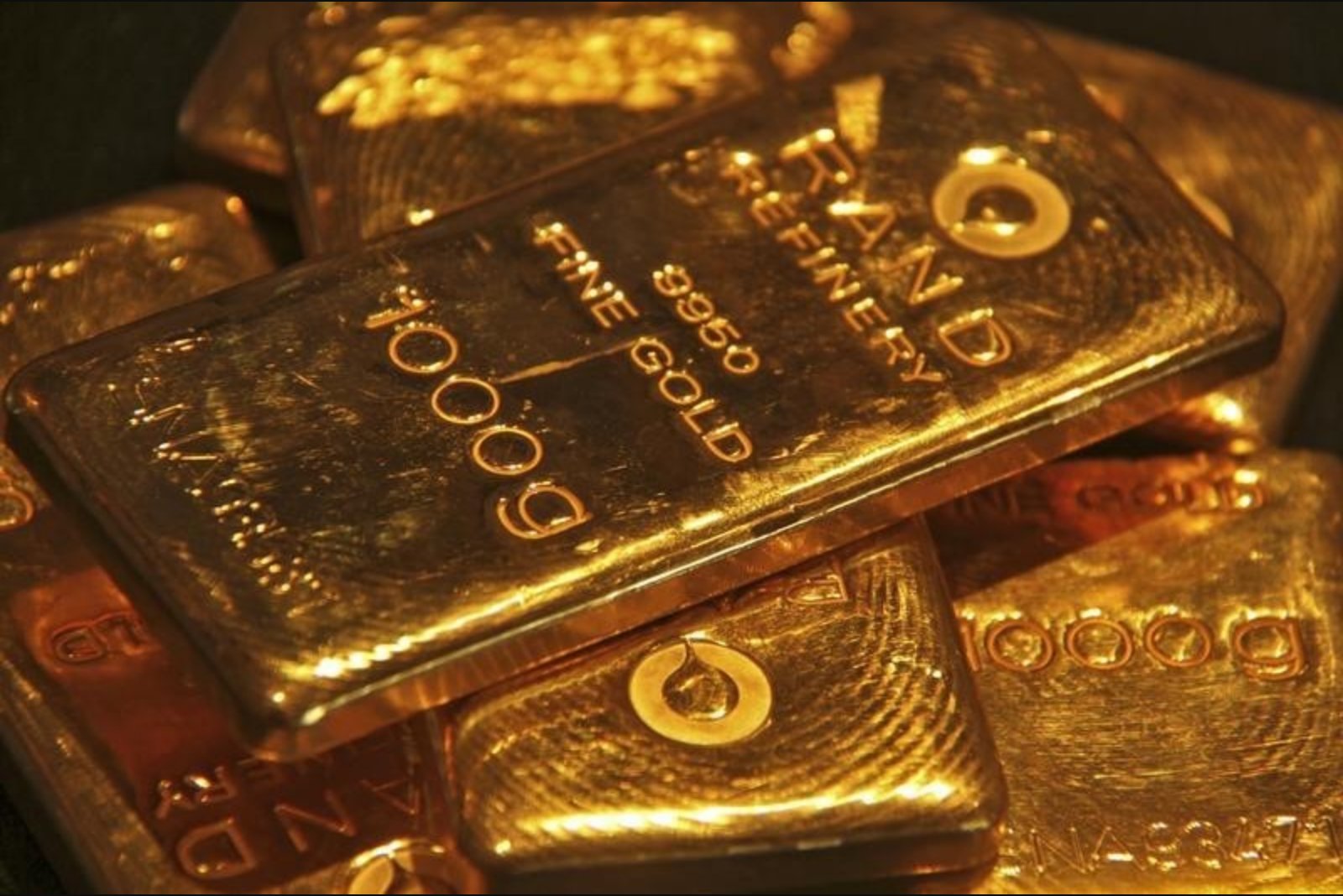
Gold extended a sharp run higher on Monday, breaking through the $5,000 an ounce barrier as traders increased allocations to the safe-haven metal amid mounting geopolitical tensions and expectations about U.S. monetary policy later next year.
Spot gold advanced 1.1% to a new record of $5,035.83/oz by 18:52 ET (00:52 GMT). U.S. Gold Futures mirrored that move, climbing 1.1% to an intraday peak of $5,074.71/oz. The move came on the heels of a substantial advance last week, when the metal rose more than 8% amid repeated breaches of prior historical highs. Year-to-date, gold has risen nearly 17%.
Other precious metals also moved higher on Monday. Silver gained over 2% to reach a record $106.56/oz, while platinum edged up to a new high of $2,798.46/oz.
Drivers of the rally
Market participants attributed the renewed safe-haven demand to a mix of geopolitical risk and monetary policy anticipation. Analysts noted that escalating tensions between the United States and some NATO partners over Greenland have unsettled markets, contributing to flows into gold.
Commentary in public forums from former President Trump regarding U.S. strategic interests in the Arctic was cited as a factor that has strained transatlantic relations. In addition, trade friction between the U.S. and Canada intensified over the weekend when Trump said he would impose a 100% tariff on Canadian goods if Ottawa proceeded with a trade agreement with China. He wrote on his social media platform that Canada could be used as a "drop off port" for Chinese goods entering the United States and warned that Beijing would "eat Canada alive" if such a deal went ahead. Observers said those developments have increased investor caution and helped drive demand for precious metals.
Expectations around U.S. monetary policy have also buoyed bullion. Markets widely anticipate the Federal Reserve will keep interest rates on hold when its policy meeting concludes on Wednesday. While a pause appears priced in, investors will be parsing the Fed statement and Chair Jerome Powell's remarks for signals about the timing and pace of possible rate cuts later in the year. Lower interest rates typically reduce the opportunity cost of holding non-yielding assets like gold, supporting prices.
In a note cited by market participants, ING analysts wrote: "Both the data and Chair Powell's robust defence of central bank independence indicate little prospect of a 28 January Fed rate cut." They added: "The focus will be on President Trump's imminent nomination for the new Fed Chair, the upcoming data, and whether that person can corral the rest of the committee into further cuts."
Market context and implications
The rapid ascent in bullion this month has reflected multiple, overlapping drivers: geopolitical developments that have unsettled relations among key trading partners, commentary on strategic interests in the Arctic, trade tensions involving Canada, and market positioning ahead of a closely watched Fed meeting. Central bank demand and investor searches for protection against market volatility were also cited as enduring supports for prices.
With spot and futures at fresh records, attention will remain on how geopolitical headlines evolve and what clues the Fed provides about policy direction in the months ahead. Both factors are likely to influence investor allocations across safe-haven assets and across sectors sensitive to interest-rate expectations.