
Introduction
The European Union and Vietnam plan to broaden bilateral cooperation across a range of strategic sectors, according to an eight-page draft joint statement that is due to be adopted on Thursday. The document, which remains subject to change, accompanies a diplomatic upgrade between the two sides and outlines steps to boost trade and investment in critical minerals, semiconductors and infrastructure while addressing communications security.
Context and diplomatic upgrade
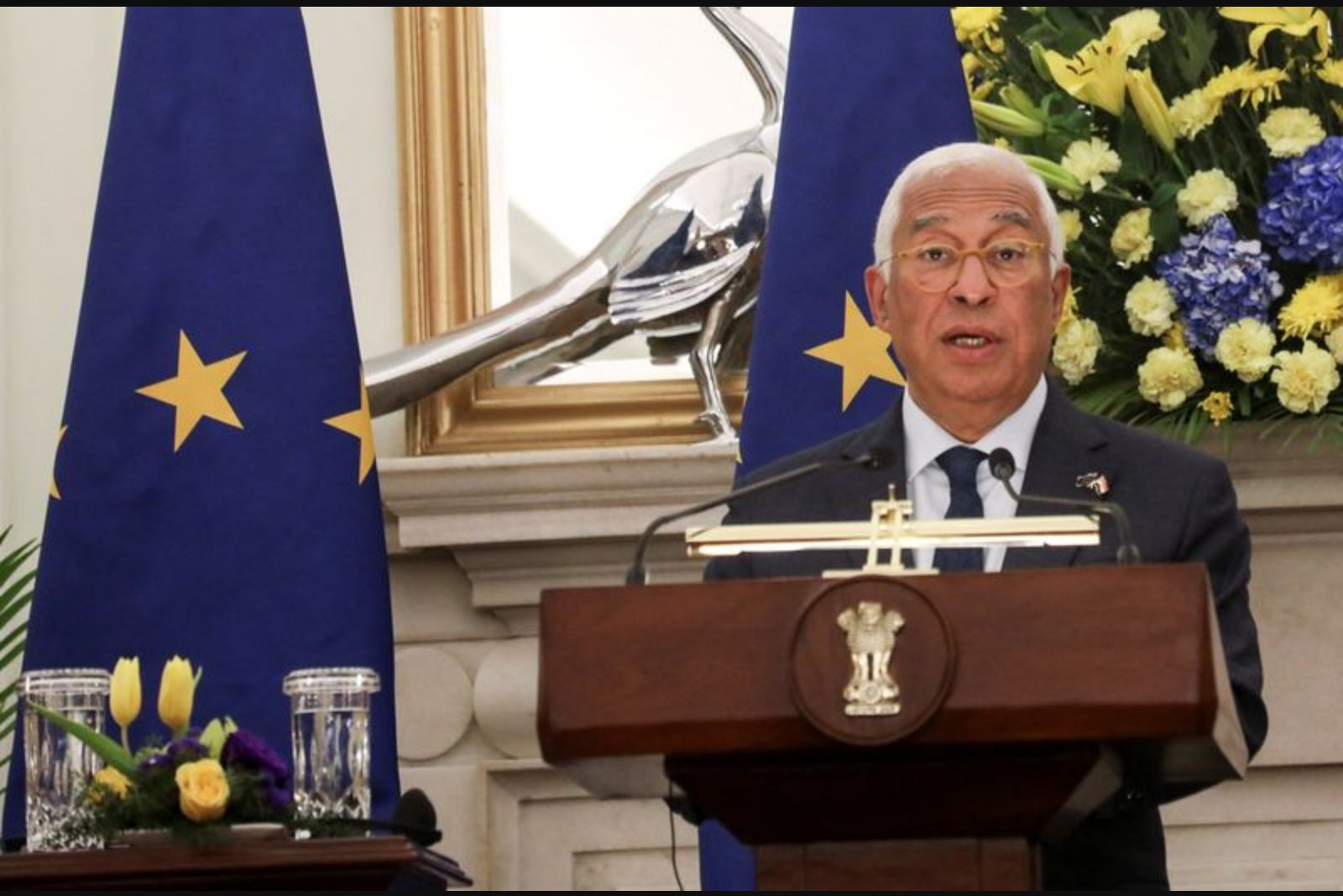
The joint statement is scheduled for signature when European Council President Antonio Costa meets Vietnam's leaders in Hanoi on Thursday. That visit comes days after Vietnam's ruling Communist Party reappointed To Lam to a top leadership position. As part of the move, the EU will raise its diplomatic ties with Vietnam to the country's highest level - a status currently held by countries such as the United States, China and Russia.
The draft builds on an existing economic relationship: an EU-Vietnam free trade agreement entered into force in 2020. While the document is not legally binding, it carries political significance and includes language that amounts to indirect criticism of international strategies pursued by the United States, China and Russia. The European Council declined to comment on the draft and Vietnam's government did not respond to a request for comment.
Critical minerals: resources and constraints
The statement highlights critical minerals as a priority for expanded collaboration. Vietnam possesses noteworthy but largely untapped reserves of rare earth elements and gallium. Hanoi has expressed interest in establishing domestic processing capacity for rare earths, a market where refining and global supply chains are currently highly concentrated elsewhere. However, the draft acknowledges that progress toward developing full-scale processing has been limited, citing Vietnam's lack of necessary technology to exploit those resources end-to-end.
In language aimed at attracting investment, the EU and Vietnam say they will promote "trade and investment in goods, services, and technologies that support sustainable mining and processing" for critical minerals. The draft also notes Vietnam's role as an important supplier of tungsten, a material used in defence and electronics, and records concerns raised by Western diplomats about Chinese interest in a major Vietnamese mine. China's foreign ministry did not respond to a request for comment on the draft.
Semiconductors and supply chains
Semiconductors are identified in the draft as another area for deeper industrial cooperation. Vietnam already plays a significant role in chip packaging, testing and assembly, hosting operations by firms such as Intel and Amkor Technology. The document notes that Vietnam began construction this month on its first domestic semiconductor production facility.
The draft further states that suppliers associated with ASML, the Dutch leader in chipmaking equipment, have relocated some production to Vietnam, and that ASML is exploring options to expand its supply chain presence and potentially serve customers in the market. The Vietnamese government reported those developments following a recent high-level meeting in Hanoi. ASML was not immediately available for comment.
Telecoms, defence technology and infrastructure
Security of communications infrastructure is a separate priority. The draft calls for expanded cooperation on "trusted communications infrastructure," specifically naming 5G and satellite connectivity. European vendors Ericsson and Nokia are engaged in developing Vietnam's 5G network. Nevertheless, the document notes that Hanoi last year awarded smaller construction contracts to Chinese companies, including Huawei, despite security concerns voiced by Western actors.
On defence-related cooperation the EU says it will consider transfers of "non-sensitive technology and know-how" to Vietnam as part of a broader intent to deepen security ties. The draft also records interest from EU countries in investing in Vietnamese infrastructure, notably railways, aligning with Vietnam's stated ambition to build a nationwide high-speed rail network that would be its largest-ever infrastructure project.
Geopolitical statements in the draft
The draft reiterates support for a rules-based international order and calls for strengthening the World Trade Organization. It includes language urging respect for "territorial integrity" and calls for a "just and sustainable peace in Ukraine," language tied to the conflict involving Russia, a longstanding partner of Vietnam. The joint statement also signals an intention to explore deeper maritime security cooperation and stresses the need for stability in the South China Sea, where China's maritime claims conflict with Vietnam's.
In a related public commentary, European Council President Costa warned of "coercive trade practices" and "challenges to sovereignty and international law" in an opinion piece published by Vietnam's state news agency earlier this week.
Conclusion
The draft joint statement maps out a wide-ranging agenda for EU-Vietnam cooperation that spans economic, technological and security domains. It seeks to harness Vietnam's resource and manufacturing roles while addressing concerns over supply chain resilience and communications security. The details remain subject to final changes in the draft before its formal adoption.