
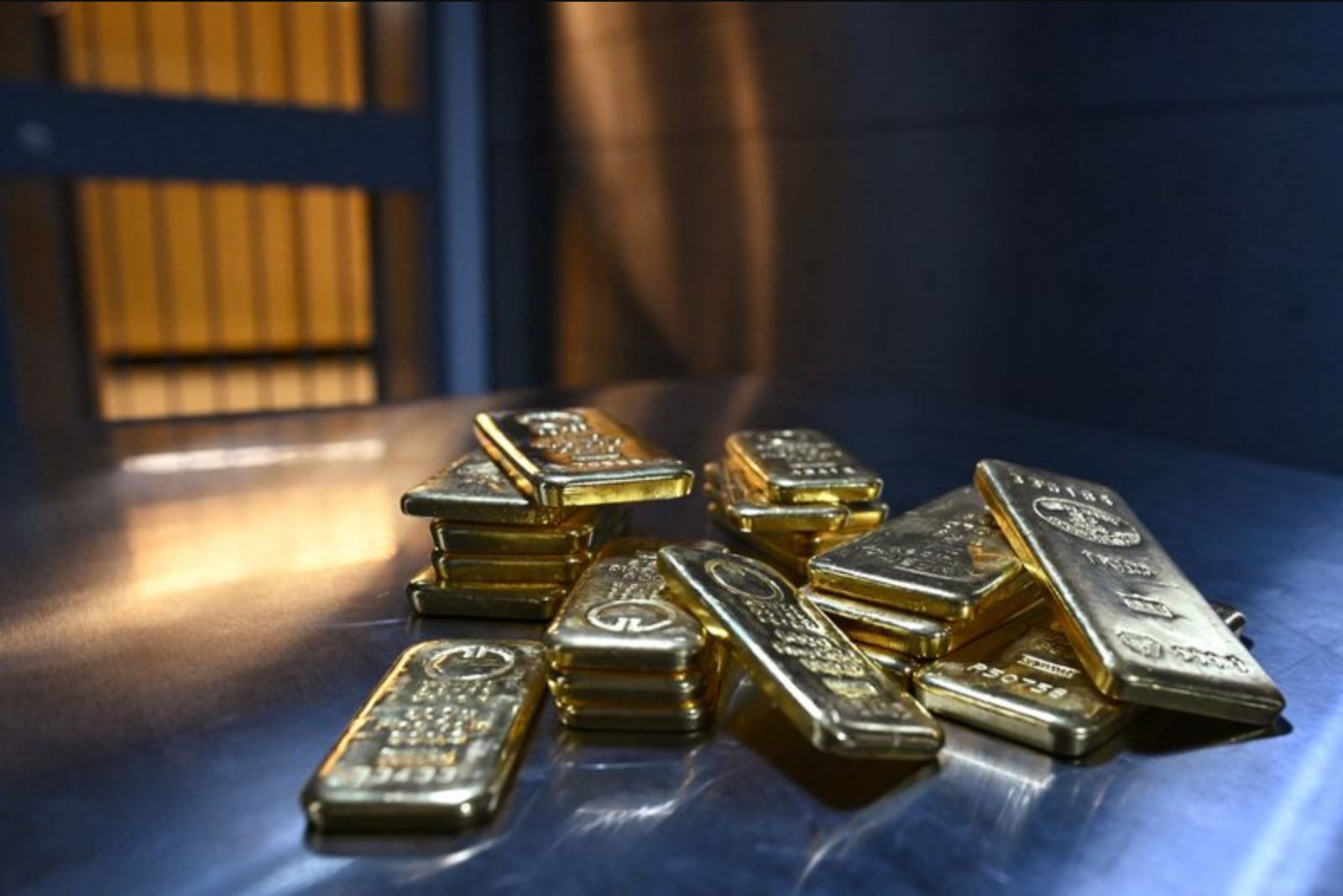
Commodities markets plunged at the start of the week, with heavy losses across precious metals, oil and industrial metals after traders reacted to the choice of Kevin Warsh as the next Federal Reserve chair. The move set off widespread selling in risk assets and pushed gold, silver, oil and London Metal Exchange copper sharply lower.
Price moves
- Gold fell about 9% to its lowest level in more than two weeks.
- Silver dropped more than 13% after both metals had reached record highs the previous week.
- Brent and U.S. benchmark crude eased by nearly 5.5%, retreating from multi-month highs.
- London Metal Exchange copper lost almost 5%.
Analysts pointed to the nomination of Kevin Warsh, a former governor of the Federal Reserve chosen to replace Jerome Powell in May, as a catalyst for the selling. "The decision by markets to sell precious metals alongside U.S. equities suggests investors view Warsh as more hawkish," said Vivek Dhar, a commodities strategist at Commonwealth Bank of Australia (CBA). He added that a stronger U.S. dollar was contributing to pressure on precious metals and other commodities, including oil and base metals.
Dhar nevertheless reiterated his longer-term gold forecast, maintaining a projection of $6,000 for the fourth quarter.
Margin hike and accelerated selling
Selling in the precious metals complex intensified after CME Group raised margin requirements on its metal futures effective from Monday’s market close. Higher margin requirements generally act as a drag on affected contracts because the greater capital outlay can reduce speculative participation, curb liquidity and force some traders to unwind positions.
The slide had begun on Friday, when spot gold experienced its steepest one-day percentage drop since 1983, falling more than 9% in a single session. Silver suffered an even larger one-day fall on Friday, plunging 27% in the biggest daily decline on record for that metal.
Energy and geopolitical signals
Energy markets were also under pressure amid signs of de-escalation in U.S.-Iran tensions. Comments over the weekend that Iran was "seriously talking" with Washington reduced near-term fears of conflict, while reports that the naval forces of Iran’s Revolutionary Guards had no plans for live-fire exercises in the Strait of Hormuz contributed to easing concerns, according to IG market analyst Tony Sycamore. Those developments helped prompt a pullback from the recent multi-month highs in oil.
Industrial and bulk metals
Copper and iron ore confronted headwinds as traders worried about high inventories and weaker demand ahead of China’s Lunar New Year holiday. Analysts said end-user demand and transactions were expected to be sluggish in the run-up to the holiday, which begins on February 15. That anticipated slowdown in the world’s largest buyer of industrial and bulk metals weighed on prices.
Other commodity moves included a near 3% decline in Tokyo rubber and roughly 1% drops in Chicago wheat and soybeans.
Market context and outlook
Asian equity markets opened lower following heavy selling in precious metals and a rout in risk assets elsewhere, reflecting nervous positioning ahead of a week filled with corporate earnings, central bank meetings and economic data. The combination of policy uncertainty tied to the Fed leadership change, higher margin rules and geopolitical developments created a volatile trading environment.
On the central question of whether recent weakness marks a structural change in commodity markets or a temporary adjustment, CBA’s Dhar said: "The key question is whether this marks the start of a structural downturn in commodity prices or merely a correction. We see it as a correction and a buying opportunity rather than a fundamental shift."
This report summarizes market moves and contributing factors explicitly reported by market participants and analysts during the recent sell-off in commodity markets.