
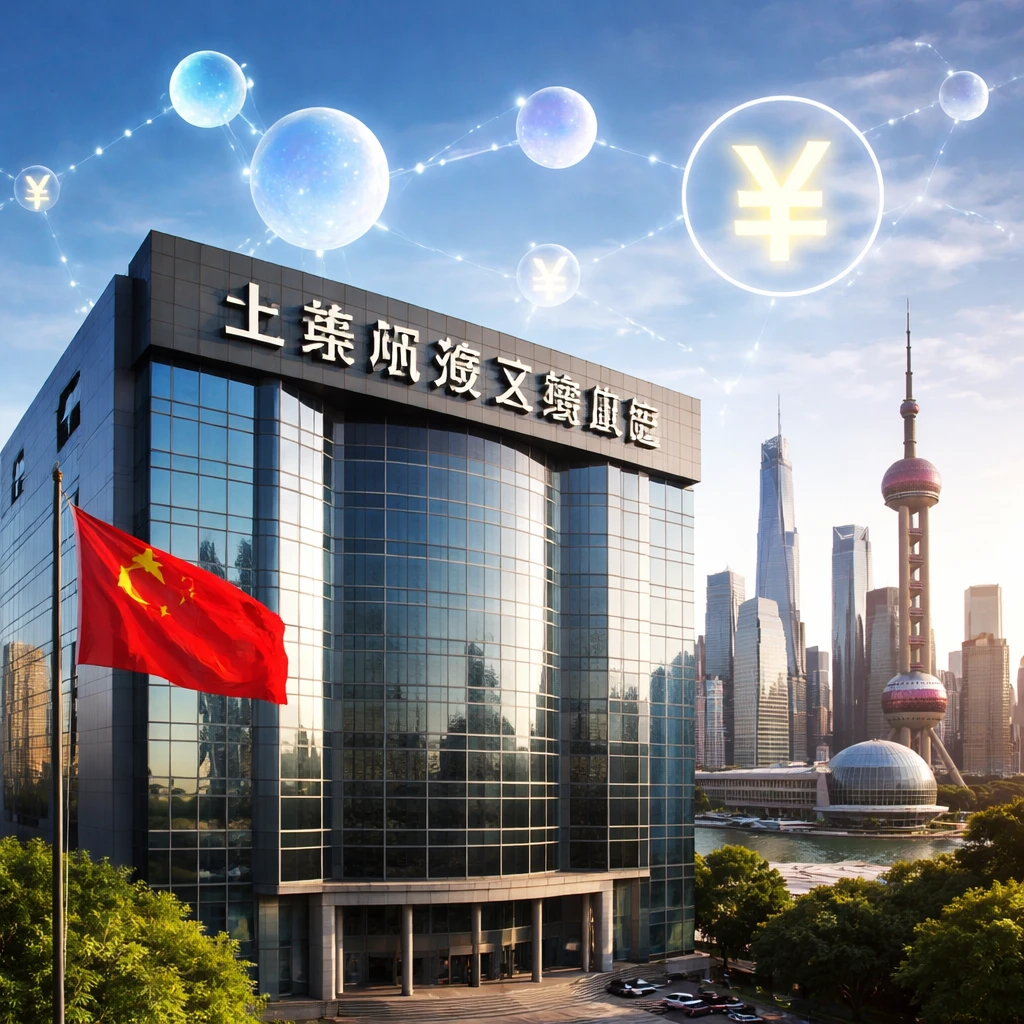
China is poised to debut domestically-listed LNG futures contracts denominated in its local currency, the yuan, with a launch potentially occurring next month, according to individuals familiar with the matter who requested anonymity due to the sensitive nature of the announcement. These contracts are planned for listing on the Shanghai Futures Exchange (ShFE), reflecting a concerted effort by Chinese regulators and market participants to develop a robust platform for price discovery and risk management within the domestic energy sector.
The ShFE has shown enduring interest in creating commodity futures contracts accessible to international traders, intending to elevate its influence on the global stage. By introducing yuan-based LNG futures, China aims to reduce the dependency of its importers on overseas price indicators when negotiating physical LNG supplies. This development also hopes to draw foreign market participants into the Chinese marketplace, fostering a more prominent role for ShFE in global commodity trading arenas.
Aside from bolstering China's standing in international trading, the ability to manage LNG prices domestically in yuan offers strategic advantages amid ongoing geopolitical tensions, particularly those stemming from U.S. trade policies. Such financial tools contribute to enhancing China's energy security by localizing price risk management and minimizing exposure to foreign currency fluctuations and external market disruptions.
Last year, China experienced a decline in LNG imports due to a combination of factors including U.S. tariffs, subdued industrial gas demand, and ample availability of alternative domestic and pipeline gas supplies. However, analysts forecast a considerable expansion in global LNG production this year, a trend expected to relieve previously tight supply conditions influenced by geopolitical conflicts such as Russia's invasion of Ukraine in 2022.
Rystad Energy's analyst, Ole Dramdal, projects that China's LNG imports could increase by approximately 12%, reaching 76.5 million metric tons this year. This anticipated growth underscores the relevance of introducing financial instruments like domestic LNG futures to facilitate better hedging and price transparency for the expanding Chinese LNG market.
A senior executive at a multinational bank emphasized the incongruity wherein China, despite being a dominant commodity consumer, relies on external markets for price discovery. The launch of yuan-denominated LNG futures aligns with broader shifts toward a 'multipolar world' in commodity trading, where reliance on the U.S. dollar is increasingly questioned, reflecting observations by Morgan Stanley concerning evolving global trade currencies.
These new financial contracts will not only enable banks to develop related yuan-based credit products, such as LNG-linked loans, repurchase agreements, and asset-backed securities, but also allow China to strengthen its position relative to existing global LNG price benchmarks. Presently, dominant LNG futures trading hubs are centered on major physical markets like the U.S.-based Henry Hub and the European Title Transfer Facility, supplemented by the Japan-Korea Marker (JKM).
Market analysts anticipate participation from a wide range of global stakeholders including international oil majors, Western trading entities, and suppliers from the Middle East who maintain commercial interests in China. However, foreign companies will be required to establish trading entities within China to engage directly in these yuan-denominated contracts, reflecting regulatory and market integration considerations.
A state-run gas trader involved in discussions regarding the new contracts noted the necessity for China to develop its own price benchmark that accurately represents its supply and demand dynamics. Unlike benchmarks like the JKM, which primarily cater to Japan and Korea, the Shanghai contracts are envisioned to influence long-term LNG pricing structures for China directly, moving away from heavy reliance on oil-indexed prices such as Brent crude.