
Commodities March 12, 2026

Bessent Says Escorting Tankers Through Strait of Hormuz Was Planned Option

U.S. Treasury Secretary signals naval or coalition escorts once air control is secured as oil tops $100 amid regional tensions

By Priya Menon
Bessent Says Escorting Tankers Through Strait of Hormuz Was Planned Option

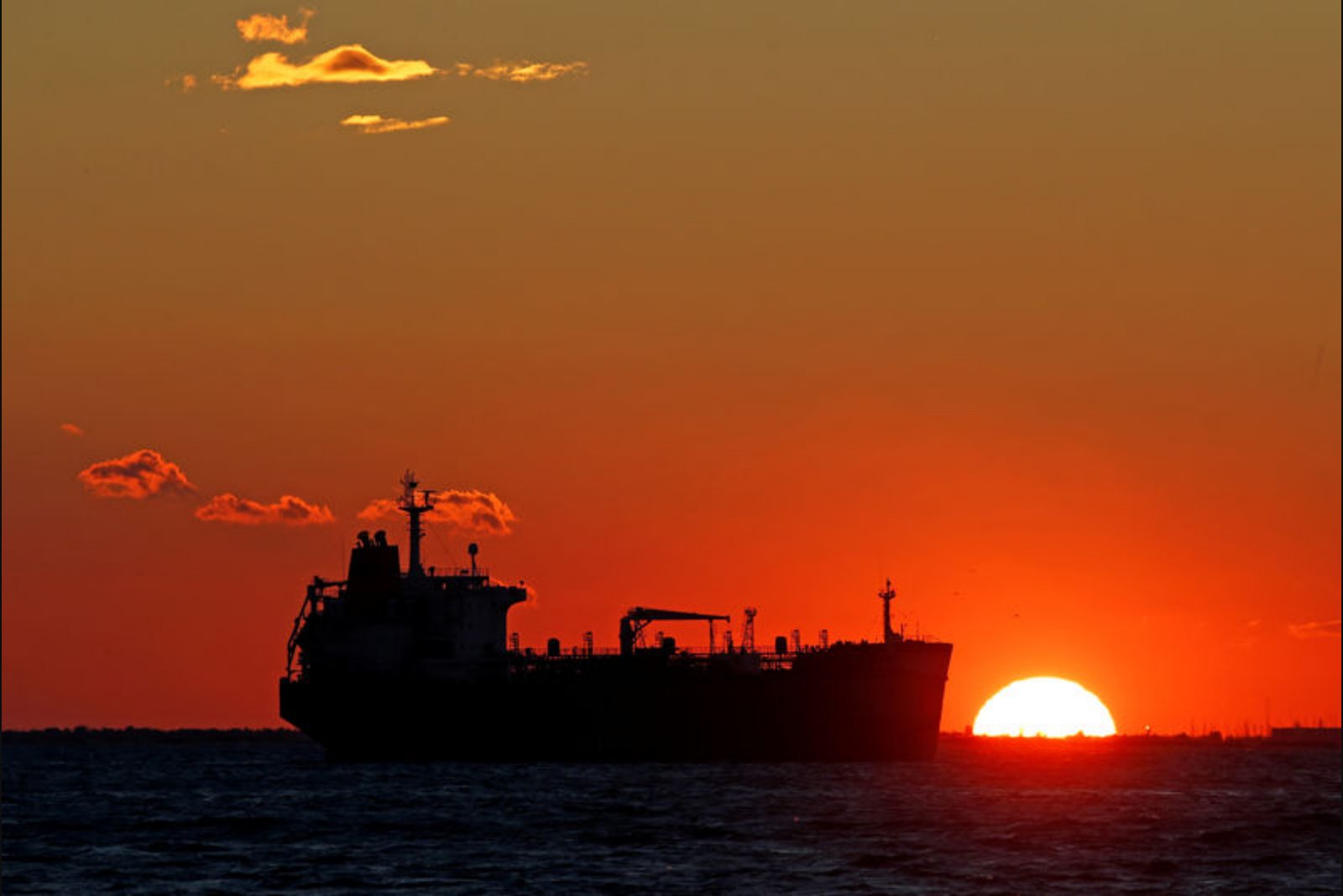
U.S. Treasury Secretary Scott Bessent told Sky News that escorting commercial tankers through the Strait of Hormuz by the U.S. Navy or an international coalition had been part of planning amid the conflict involving the U.S., Israel and Iran. He said such escorts could begin as soon as military conditions permit, specifically after control of the skies is established. The comments coincide with oil prices rising above $100, reaching that level for the first time since August 2022.

Key Points

  • U.S. Treasury Secretary Scott Bessent said escorting tankers through the Strait of Hormuz was included in planning and could be performed by the U.S. Navy or an international coalition - sectors impacted: defense, shipping.
  • Bessent stated escorts would be implemented once militarily possible, specifically after control of the skies is secured - sector impacted: defense.
  • Oil prices rose above $100 amid the escalation between the U.S., Israel and Iran, marking the first time crude has been that high since August 2022 - sector impacted: energy.

U.S. Treasury Secretary Scott Bessent said Thursday that protecting commercial vessels transiting the Strait of Hormuz by means of naval escorts was contemplated as part of operational planning amid the current conflict involving the U.S., Israel and Iran.

Speaking with Sky News, Bessent said that an escort mission - carried out either by the U.S. Navy or by a broader international coalition - had always been considered as an available course of action. He emphasized that the deployment of escorts would depend on military conditions and could proceed once it was militarily feasible.

He framed the prospect of escorting tankers as contingent on establishing control of the skies above the waterway. According to Bessent, that control is a key precondition before vessels would be shepherded through the strait.

Those comments come amid a notable move in energy markets. Oil prices climbed significantly following the escalation of the conflict and settled above $100 on Thursday, marking the first time crude traded above that threshold since August 2022.


Context and implications

While Bessent positioned escorts as an intended element of military planning, he linked their implementation explicitly to the achievement of air superiority in the operational environment. The remarks point to a phased approach in which maritime protection measures follow stabilization of the air picture.

The recent jump in oil prices underscores the market sensitivity to developments in the region. The combination of heightened military tensions and a stated plan for potential naval or coalition escorts frames both the security response and the market reaction as closely connected to near-term operational assessments.


Summary of statements

  • Bessent said escorting tankers through the Strait of Hormuz was always part of the plan for the U.S. Navy or an international coalition.
  • He said such escorting could occur as soon as it is militarily possible, contingent on control of the skies.
  • The comments coincided with oil prices settling above $100 for the first time since August 2022.

Risks

  • Escorting tankers depends on military conditions and control of the skies, creating uncertainty for timing and scope of naval operations - impacts defense and shipping sectors.
  • Rising oil prices tied to the conflict introduce market volatility and potential cost pressures for energy and broader economic activity - impacts energy and commodities markets.

More from Commodities

Zelenskiy Meets Syrian Leader in Damascus to Discuss Security and Food Cooperation Apr 5, 2026 Explosive device located near Serbia-Hungary gas pipeline raises political and energy security concerns Apr 5, 2026 OPEC+ Poised to Approve Theoretical Output Increase as Strait Shutdown Sidelines 15% of Supply Apr 5, 2026 OPEC+ Poised to Approve Symbolic May Output Rise as Hormuz Paralysis Limits Supply Gains Apr 5, 2026 Saudi non-oil private activity falls into contraction in March as regional conflict disrupts trade Apr 5, 2026