
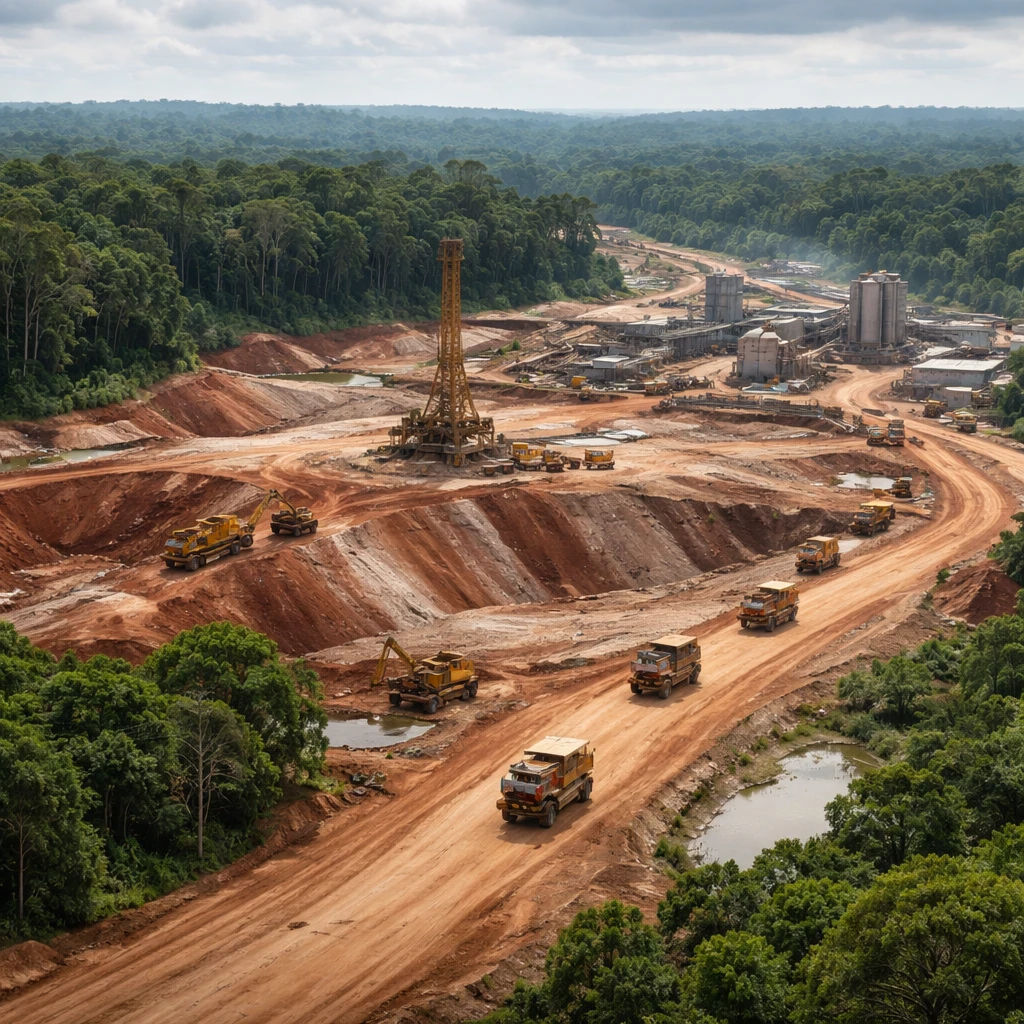
Kingswood Capital has initiated coverage of Brazil Potash Corp (NYSE: GRO) with a Buy recommendation and set a target price of $12.00 per share, which the firm notes equates to almost 400% upside relative to the current trading level of $2.42.
Market movement ahead of the rating shows the shares have risen 54.14% over the last six months, although the stock retreated 12.64% in the most recent week.
In its analysis, Kingswood characterizes GRO as a "binary, high-risk/high-reward investment opportunity." The research identifies a single pivotal factor determining the company’s near-term trajectory: the arrangement of $2.5 billion in project-level financing for Brazil Potash’s Autazes Potash Project located in Amazonas State, Brazil.
The firm expects this financing to be completed in the first or second quarter of 2026 and describes the event as an "existential near-term catalyst" for the company. The emphasis on timing reflects Kingswood’s view that the capital decision will materially affect the project’s development and the company’s valuation.
Kingswood’s investment thesis highlights Brazil Potash’s strategic position in a market where Brazil imports 98% of its potash consumption. That domestic dependency is central to the firm’s argument for the project’s market opportunity.
Supporting the company’s commercial outlook, Kingswood notes that 91% of the planned production capacity for the Autazes project is already pre-sold under long-term take-or-pay offtake agreements. The research also points out that the company has obtained all required installation licenses and that macro fundamentals in the global potash market are favorable.
Taken together, Kingswood’s initiation frames Brazil Potash as a company with substantial upside potential tied to a defined financing milestone, a portfolio of pre-sold capacity, and regulatory clearances. At the same time, the firm explicitly warns of the elevated risk tied to the success and timing of the project financing.
Sector implications: The development and financing of Autazes have implications for the mining and fertilizer sectors and for Brazil’s trade balance in agricultural inputs.