
Overview
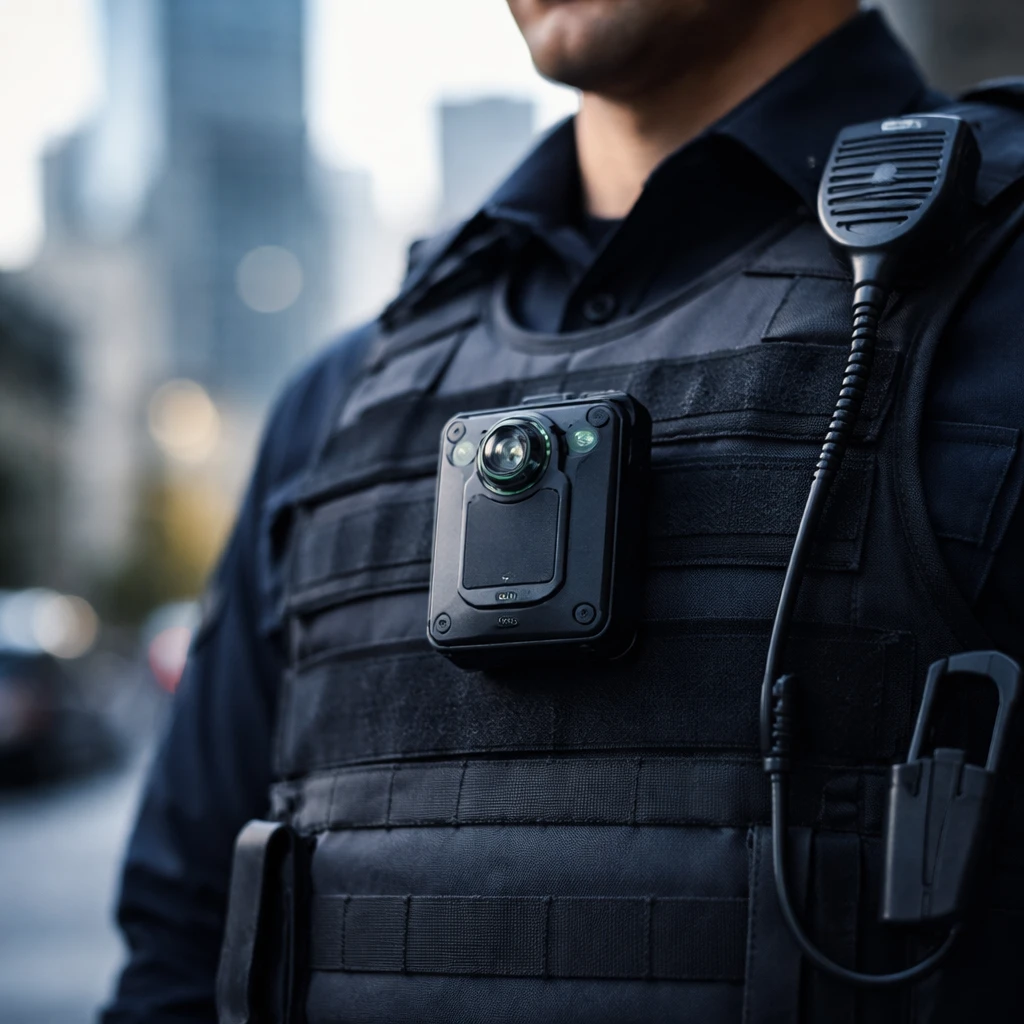
William Blair on Monday reiterated an Outperform rating on Axon Enterprise (NASDAQ:AXON) following the Department of Homeland Security’s latest move to expand body-worn camera deployment. The decision, which requires agents operating in Minnesota to begin using body cameras immediately and contemplates a broader, nationwide rollout as funding becomes available, dovetails with a consensus analyst view that favors the company even as the stock trades well below recent highs.
Policy change and funding
The DHS announcement comes after a proposed $20 million body-camera funding allocation disclosed last week. William Blair characterizes the $20 million figure as an initial funding marker rather than the ceiling of the opportunity for vendors such as Axon. The firm emphasizes that the full commercial upside would be greater once recurring, high-margin services tied to video and evidence management are taken into account.
Federal camera shortfalls and potential demand
Available figures cited by analysts underscore the scale of potential replacement and expansion demand. Customs and Border Protection reportedly holds about 13,400 cameras for a force of more than 45,000 officers, while Immigration and Customs Enforcement has roughly 4,400 cameras for a workforce of 22,000. Those gaps are presented as supportive of a sizeable procurement runway if the DHS program widens.
Financial profile and growth
Axon’s recent operating performance supports analyst optimism. InvestingPro data referenced by market observers shows Axon generated revenue growth of 32% over the last twelve months, with analysts forecasting 31% growth for the current fiscal year. William Blair highlights the company’s Evidence ecosystem - cloud storage and digital evidence management services - as the source of higher-margin revenue that could amplify long-term profitability beyond initial camera hardware sales.
The company’s reported gross profit margin of 60.36% is noted as evidence of those higher-margin characteristics, though commentators caution that the stock currently trades at elevated valuation multiples. Market technicals were also flagged: InvestingPro’s relative strength index for Axon suggests the stock may be in oversold territory after a 24.62% decline in the past week.
Recent operating beats and analyst activity
Axon posted a 31% revenue increase in the third quarter, exceeding analyst expectations of 29.5%. TD Cowen observed that the third-quarter beat was smaller than historical outperformance, attributing the difference to timing and modeling dynamics. The DHS decision to equip federal agents in Minneapolis with body cameras has also drawn investor attention because of Axon’s position in wearable video technology for law enforcement.
Several brokerages remain bullish. TD Cowen reiterated a Buy rating and kept a $925 price target, citing durable growth drivers. RBC Capital initiated coverage with an Outperform rating and a $860 price target, forecasting sustained revenue growth of over 25% driven by prospects in the U.S. public safety market. CFRA upgraded Axon to Strong Buy while trimming its price target to $785, noting alignment with peer valuations.
Context and caveats
William Blair frames the DHS move as a notable reversal from earlier federal-level policy dynamics. The firm points out that President Trump had rescinded a 2022 federal body-worn camera mandate in early 2025 but has since publicly praised cameras for law enforcement, signaling a shift in official sentiment that may affect procurement decisions.
Even amid the positive analyst posture, market participants are reminded of valuation considerations and short-term price volatility. William Blair and other analysts see the initial federal funding number as an early-stage allocation that could be followed by more substantial procurement, particularly if federal and state programs accelerate purchases tied to Axon’s broader Evidence platform.
Bottom line
The DHS announcement and the proposed $20 million funding allocation add a near-term catalyst to Axon’s demand story while reinforcing interest in the company’s higher-margin software and services. Analysts retained or raised positive ratings, pointing to durable growth drivers, though they also note valuation and market-price movements that investors should weigh.