Timeframes & Styles

Differences between day trading, swing trading, position trading, and long-term investing.

Part of Trading Basics

What you will learn

This scope is designed to help you build a practical understanding of Timeframes & Styles. Lessons move from core definitions to real-world context and common failure points.

Lessons

Reading in order is recommended, but each lesson stands on its own.

11 min read
Intermediate

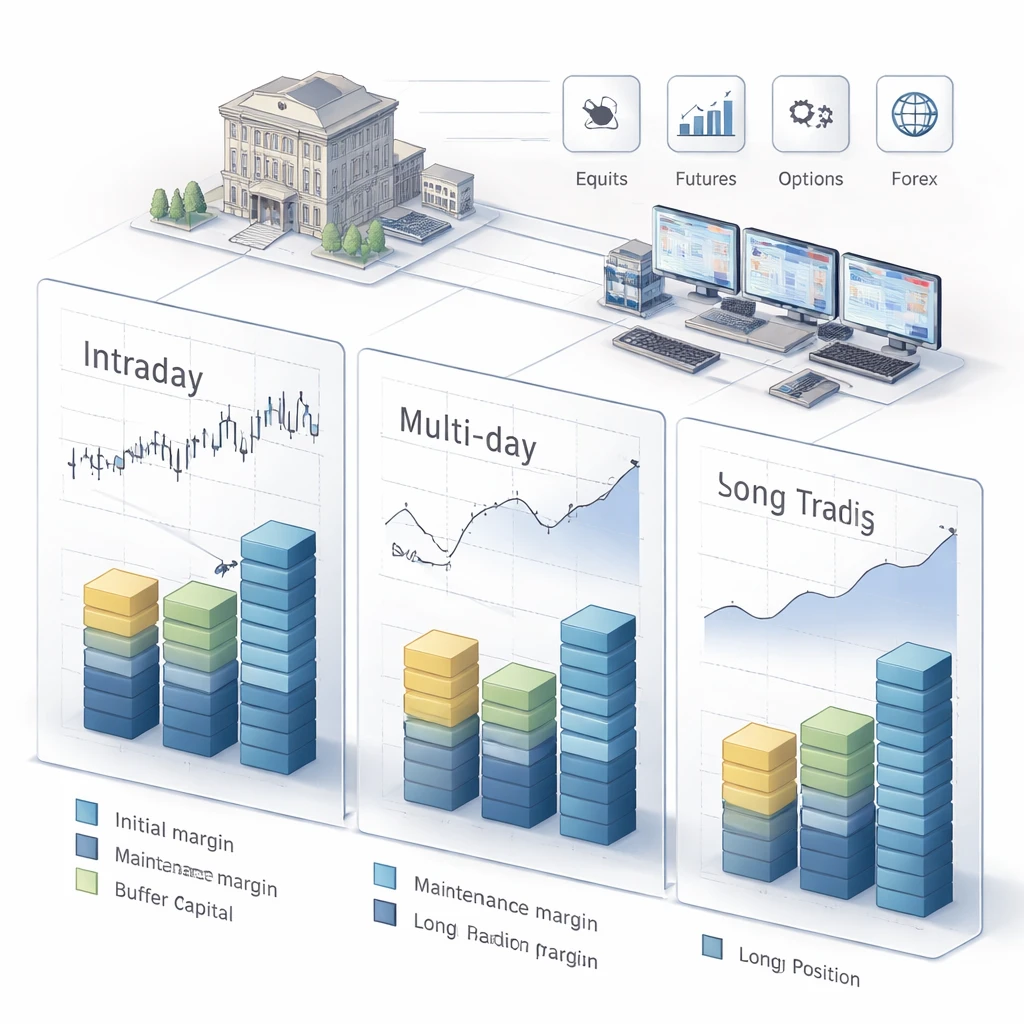
Capital Requirements by Style

A clear explanation of how capital needs vary across trading styles and timeframes, why markets impose different requirements, and how those requirements shape real-world execution and position management across equities, futures, forex, options, and crypto.


10 min read
Beginner

Lifestyle Considerations

Lifestyle considerations connect a trader’s available time, attention, and resources to the practical demands of different timeframes and styles. This article explains what the concept means, why it matters in markets, and how it shapes real-world execution and trade management.

12 min read
Intermediate

Timeframe Mismatch Mistakes

Timeframe mismatch mistakes occur when the time horizon used to justify a trade differs from the horizon used to execute, size, or manage it. This article defines the concept, explains why it arises in real markets, and illustrates how it affects day-to-day trade execution and oversight.

9 min read
Intermediate

Why Timeframe Consistency Matters

Timeframe consistency aligns the horizon of a trade thesis with its execution, monitoring, and evaluation. This article explains what the concept means, why it exists in markets, how it functions in practice, and where mismatches create avoidable errors.

12 min read
Beginner

Choosing a Trading Style

A clear explanation of how trading styles differ by timeframe, frequency, and execution demands, and how those differences shape real-world trade planning, order handling, and risk management routines without discussing specific strategies or recommendations.