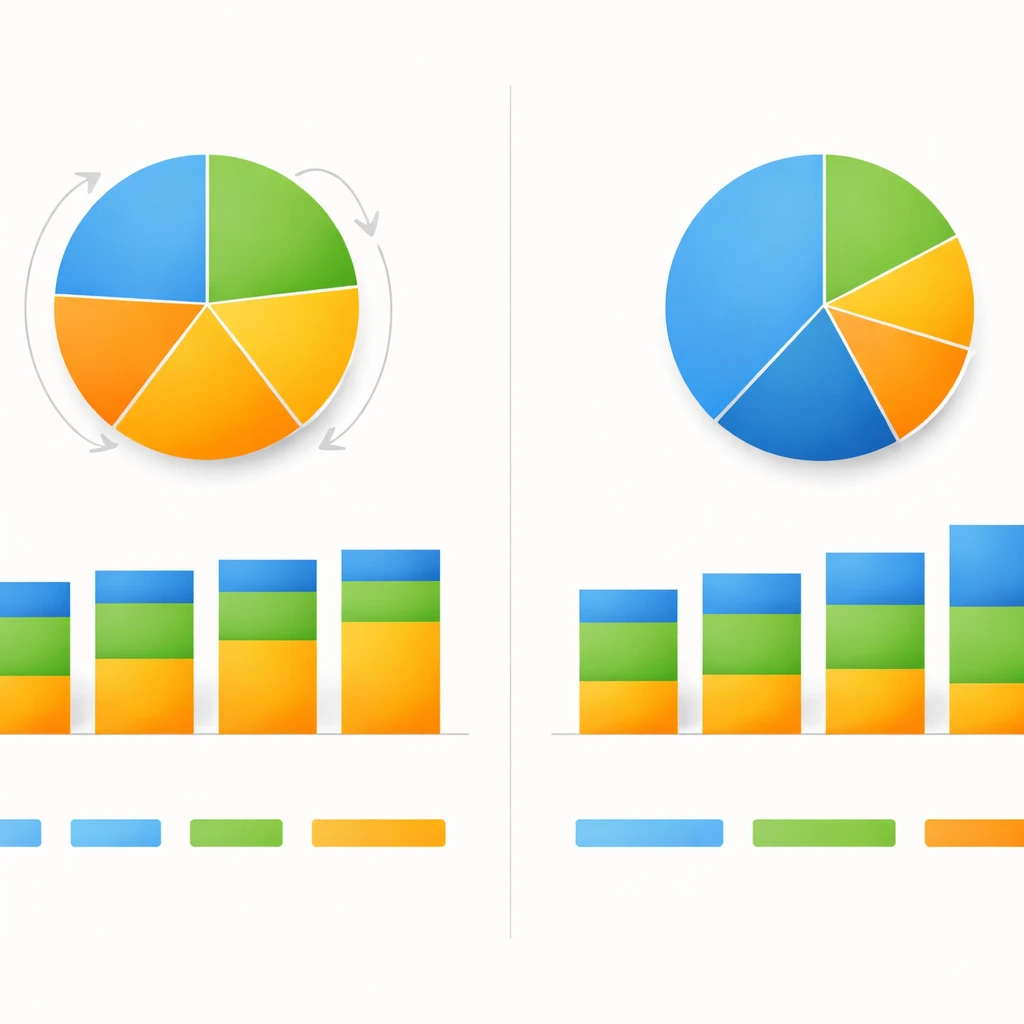
Rebalancing Strategies

Maintaining portfolio targets through periodic rebalancing.

Part of Portfolio Construction

What you will learn

This scope is designed to help you build a practical understanding of Rebalancing Strategies. Lessons move from core definitions to real-world context and common failure points.

Lessons

Reading in order is recommended, but each lesson stands on its own.

10 min read
Intermediate

What Is Portfolio Rebalancing?

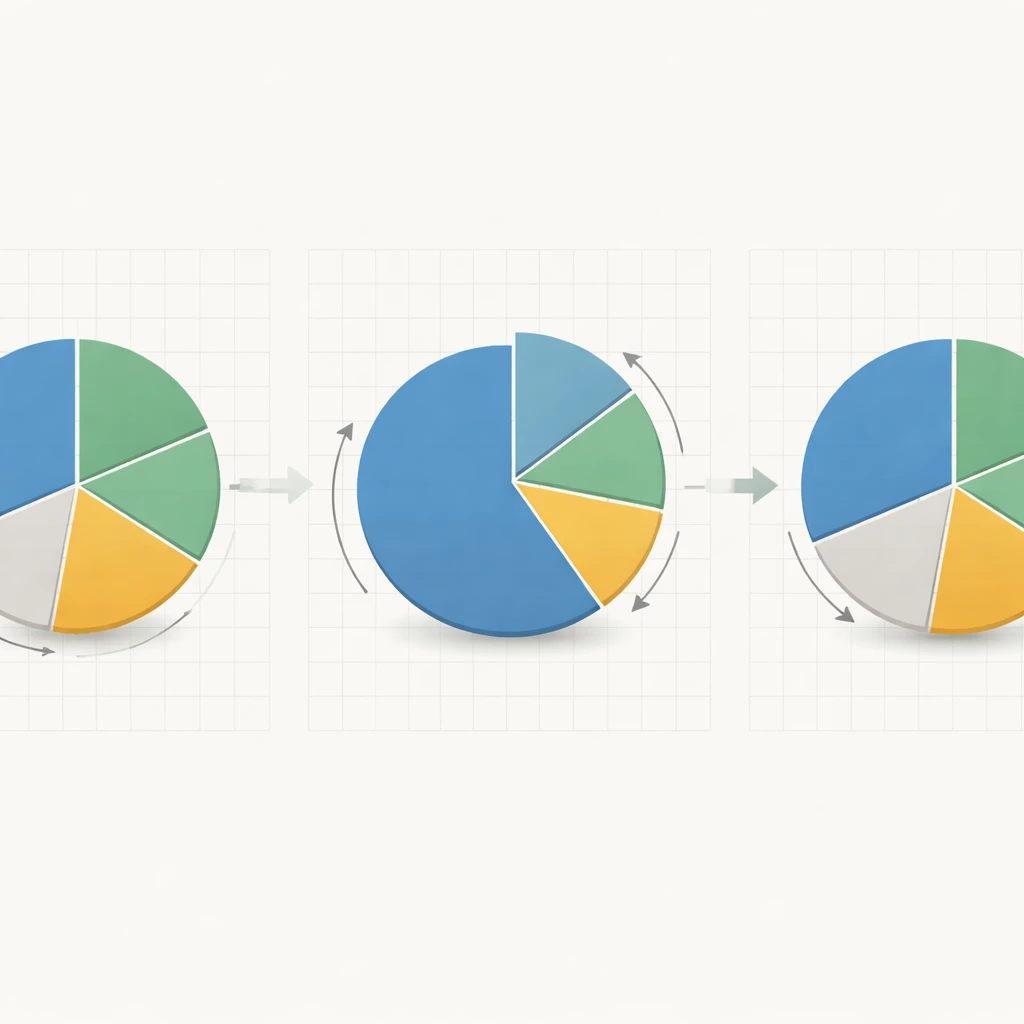
Portfolio rebalancing is the disciplined process of realigning a portfolio back to its intended mix of assets when market movements or cash flows cause it to drift. This article explains what rebalancing is, how it operates at the portfolio level, why it matters for long-term capital planning, and how investors implement it in real-world contexts.

9 min read
Intermediate

Why Rebalancing Matters

Rebalancing is the ongoing process of realigning a portfolio to its intended risk and asset mix. It disciplines risk, contains drift, and supports long-horizon planning, while balancing costs, taxes, and practical implementation constraints across accounts and market conditions.

10 min read
Intermediate

Calendar-Based Rebalancing

An in-depth explanation of calendar-based rebalancing, how it functions at the portfolio level, and why disciplined scheduling supports durable, long-horizon portfolio construction and risk control, with practical examples and real-world context across taxable and institutional settings.

9 min read
Intermediate

Threshold-Based Rebalancing

An in-depth explanation of threshold-based rebalancing, how it operates at the portfolio level, and why it supports resilient long-horizon capital planning. Includes practical examples, implementation choices, and common pitfalls without proposing specific investments.

12 min read
Intermediate

Rebalancing in Volatile Markets

An in-depth explanation of how rebalancing functions during market volatility, why it matters for long-term capital planning, and how portfolios implement it amid practical frictions such as costs, taxes, and liquidity constraints. Includes realistic examples and an emphasis on governance and measurement.

11 min read
Intermediate

Risk-Based Rebalancing

Risk-based rebalancing aligns portfolio weights with a defined risk budget rather than fixed capital weights. It helps keep aggregate volatility, drawdown potential, and risk concentration in check as markets and correlations evolve over time, supporting more resilient long-horizon portfolios.

12 min read
Intermediate

Rebalancing vs Letting Winners Run

A rigorous examination of rebalancing and letting winners run at the portfolio level, including definitions, mechanics, risk and return trade-offs, and practical contexts for long-term capital planning, without offering investment advice or specific trade instructions.

11 min read
Intermediate

Tax Considerations in Rebalancing

A detailed exploration of how taxes interact with portfolio rebalancing, why timing and account location matter, and how investors can structure rebalance decisions to preserve after-tax wealth over the long term without making market calls or recommendations.

12 min read
Intermediate

Rebalancing and Market Cycles

A rigorous explanation of how rebalancing interacts with market cycles, why it matters for long-horizon capital planning, and how portfolio-level mechanics, costs, and constraints shape resilient allocation policies over time. Includes practical examples and governance considerations without recommending specific strategies.

10 min read
Intermediate

Costs of Frequent Rebalancing

A rigorous examination of the explicit and implicit costs of frequent portfolio rebalancing, how those costs arise at the portfolio level, and why they matter for long-term capital planning and resilient policy design. Includes practical examples from multi-asset portfolios and implementation considerations.