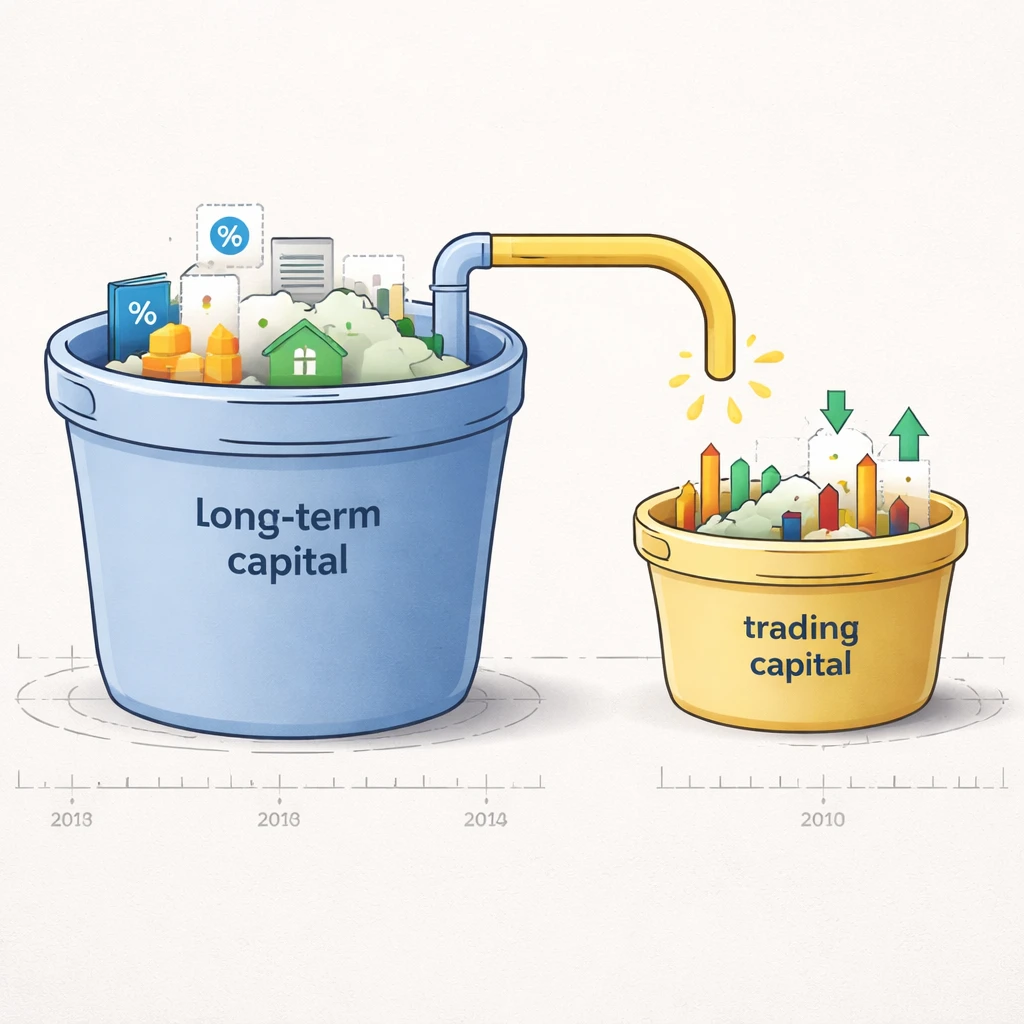
Long-Term vs Trading Capital

Separating long-term investments from active trading capital.

Part of Portfolio Construction

What you will learn

This scope is designed to help you build a practical understanding of Long-Term vs Trading Capital. Lessons move from core definitions to real-world context and common failure points.

Lessons

Reading in order is recommended, but each lesson stands on its own.

12 min read
Intermediate

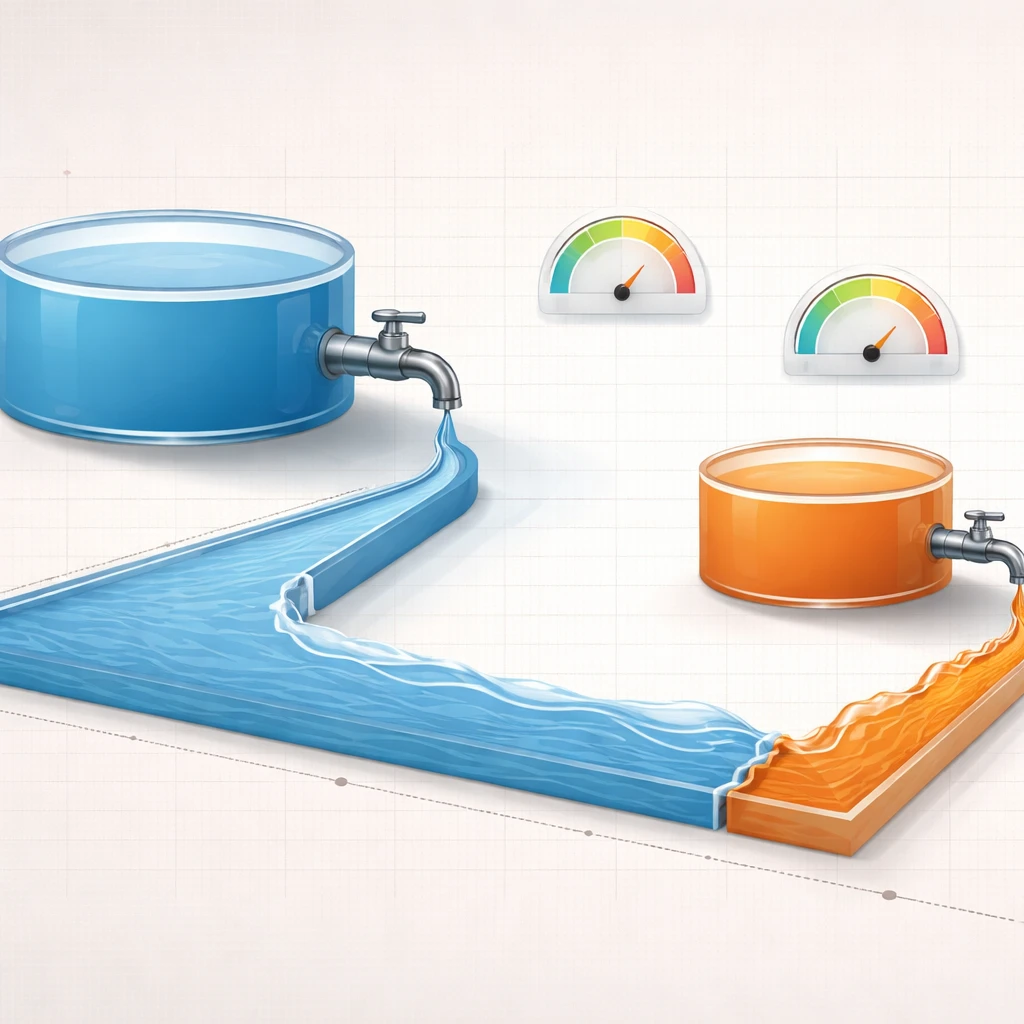
Separating Investment and Trading Capital

An academically grounded explanation of why and how to separate long-term investment capital from trading capital within a portfolio, including governance, risk budgeting, liquidity, and performance measurement considerations, with realistic examples and implementation context.

12 min read
Intermediate

Why Capital Segmentation Matters

Capital segmentation divides investable assets into distinct sleeves aligned with different objectives, horizons, and risk budgets. This structure clarifies decision rights, stabilizes long-term plans, and reduces the chance that short-term volatility disrupts essential goals.

12 min read
Intermediate

Psychological Benefits of Segmentation

An academic overview of how separating long-term capital from trading capital can improve investor discipline, protect compounding, and support resilient portfolio construction without offering investment advice or specific strategies.','content':'Segmentation is a portfolio construction technique in which an investor deliberately separates capital…

9 min read
Intermediate

Time Horizon Differences Explained

An in-depth explanation of how time horizons shape portfolio construction, why distinguishing long-term capital from trading capital matters, and how to organize risk, liquidity, and rebalancing across multiple sleeves within a resilient capital plan.

10 min read
Intermediate

Risk Tolerance Across Capital Buckets

An in-depth explanation of how risk tolerance differs across long-term, liquidity, and trading capital buckets, and how this segmentation supports resilient, long-horizon portfolio construction without prescribing specific investments or trades. The article covers definitions, measurement, portfolio-level integration, and real-world contexts.

10 min read
Intermediate

Funding Trading Accounts

An in-depth explanation of how to fund trading accounts within a broader portfolio, why the separation between trading capital and long-term capital matters, and how clear transfer rules can protect compounding and improve discipline over time. The article provides practical, non-prescriptive frameworks and real-world contexts without recommending …

10 min read
Intermediate

Protecting Long-Term Capital

An in-depth explanation of how protecting long-term capital functions as a portfolio construction principle, why it matters for durable compounding, and how investors can structure governance, risk budgets, and liquidity to keep trading activity from jeopardizing core objectives.

12 min read
Intermediate

Reallocating Profits from Trading

A rigorous framework for moving realized gains from a trading sleeve into long-term capital, clarifying objectives, mechanics, and portfolio-level implications without offering investment recommendations or short-term setups. The focus is on durability, discipline, and measurement.

10 min read
Beginner

Capital Segmentation for Beginners

An introductory, academically grounded explanation of capital segmentation, showing how separating long-term and trading capital clarifies objectives, manages risk, and supports resilient portfolio design without giving investment advice or trade ideas.

12 min read
Intermediate

Avoiding Cross-Contamination of Capital

A rigorous framework for separating long-term investment capital from trading or opportunistic capital, with emphasis on governance, risk budgeting, liquidity planning, and behavioral safeguards that support durable portfolio outcomes over multiple market cycles.